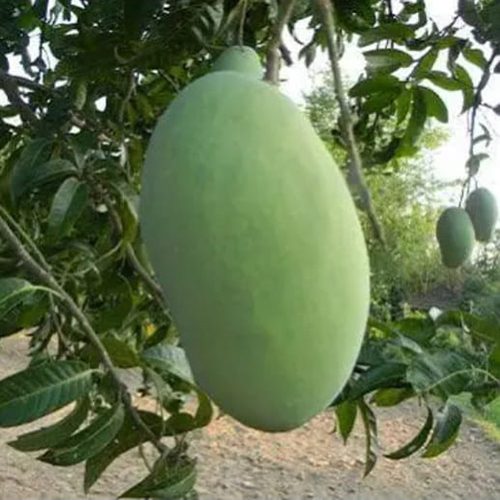
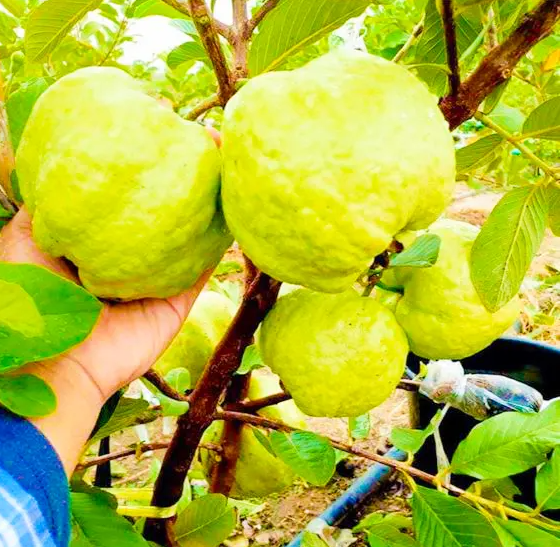
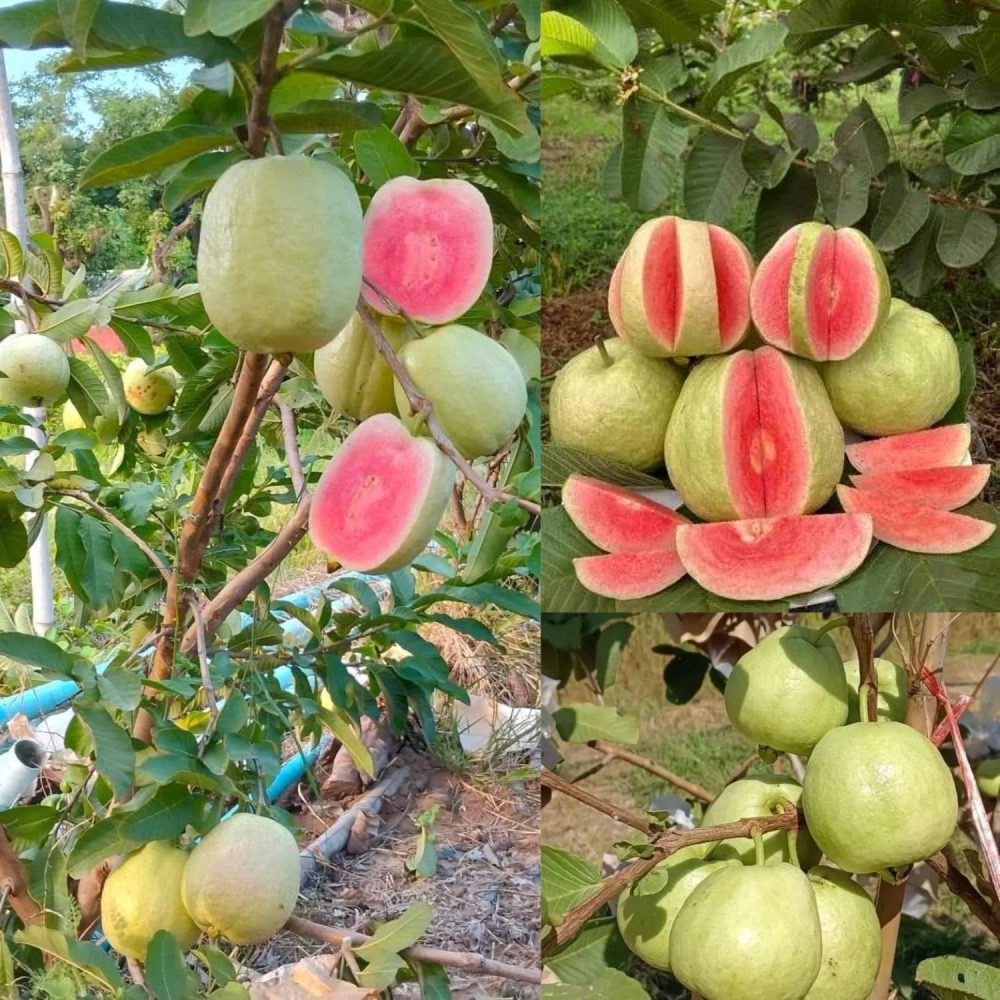
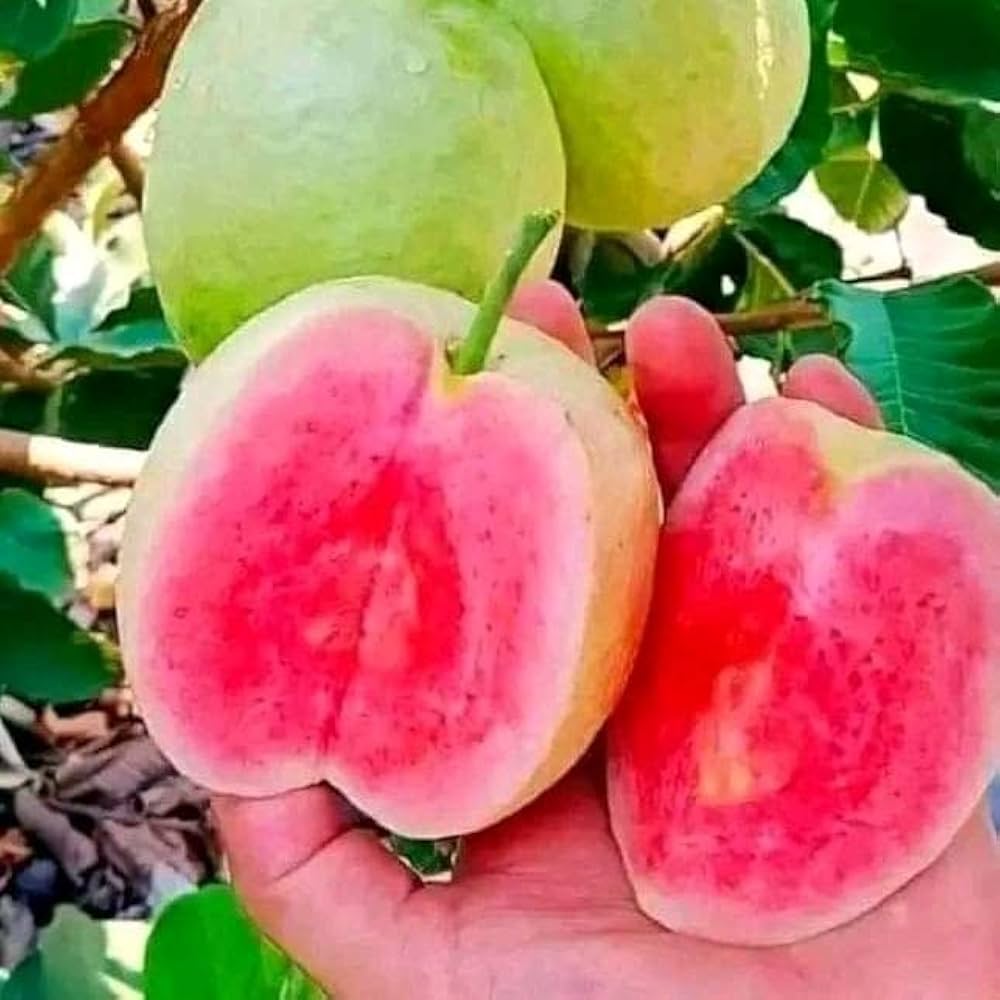
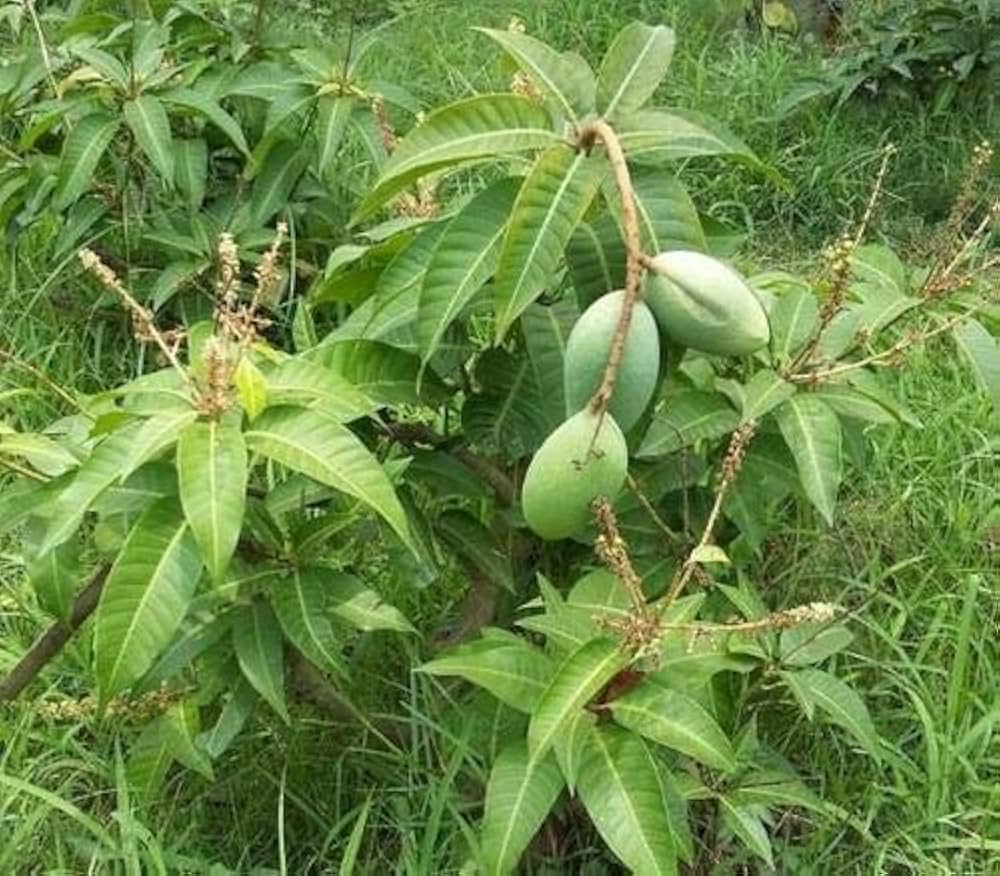
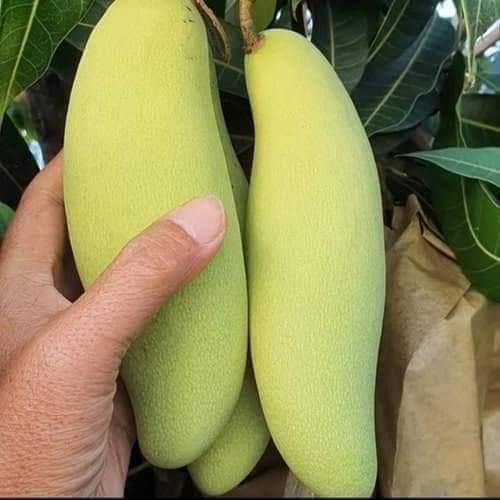
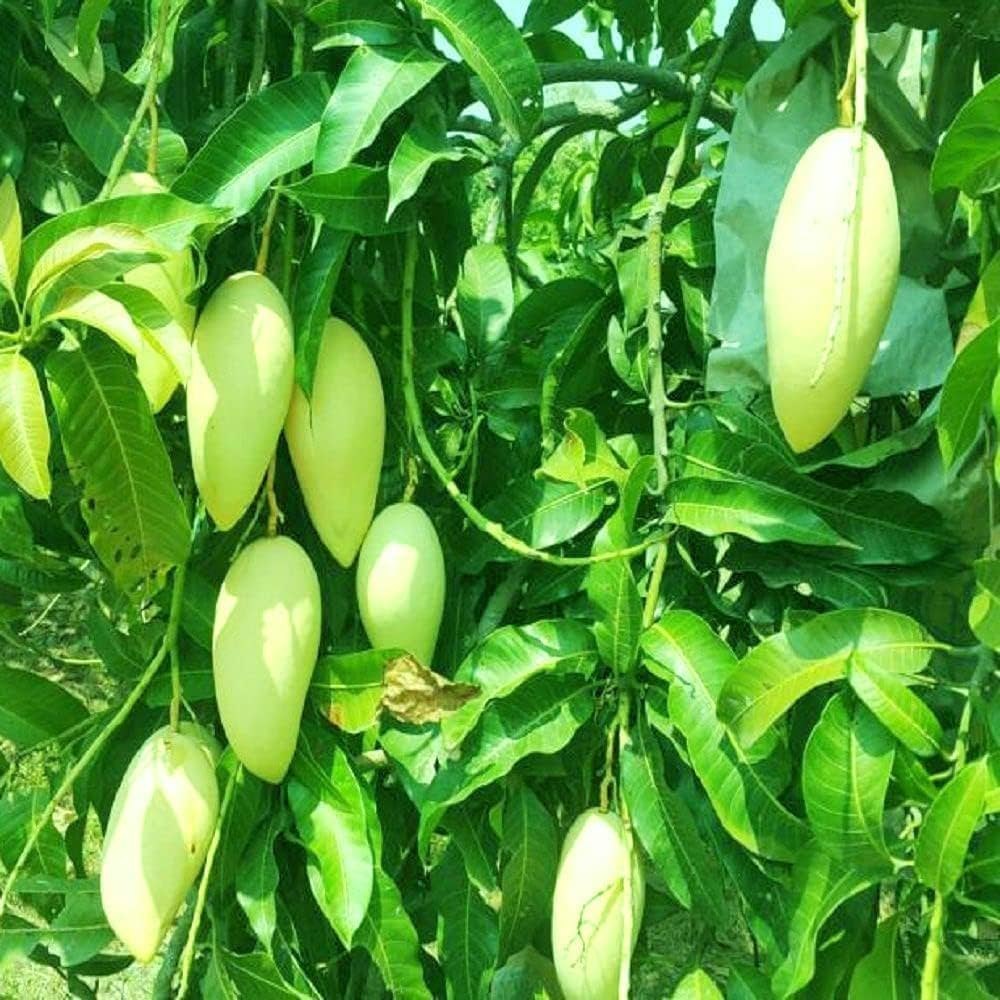
Noorjahan Mango (नूरजहाँ आम) is India’s most extraordinary mango variety — a single fruit weighs 3 to 6 kg, making it the world’s largest mango by average fruit size. If you are searching for Noorjahan mango plant in India for commercial orchard establishment, this guide covers everything: fruit characteristics, farming yield, plants per acre, cost-per-acre projections, and how to source NHB-certified grafted plants in bulk.
What Makes Noorjahan Mango (नूरजहाँ आम) Exceptional
Named after Mughal empress Noor Jahan, this variety has been cultivated in Alirajpur’s Kathiwara region for well over a century. The fruits are fibre-free with deep golden-yellow flesh that is intensely sweet and low in acidity — a flavour profile that earns ₹500–₹1,500 per fruit at premium retail and urban specialty markets.
What gives Noorjahan its commercial edge is timing: it ripens in July–August, well after the main mango season ends. When Alphonso, Dashehari, and Langra are gone from the market, Noorjahan arrives. This post-season positioning allows farmers to command prices that are impossible to achieve with standard varieties. At Madhyanchal Nursery, we supply veneer-grafted Noorjahan plants on proven local rootstock — disease-free and true to type from our NHB 2-Star certified facility.
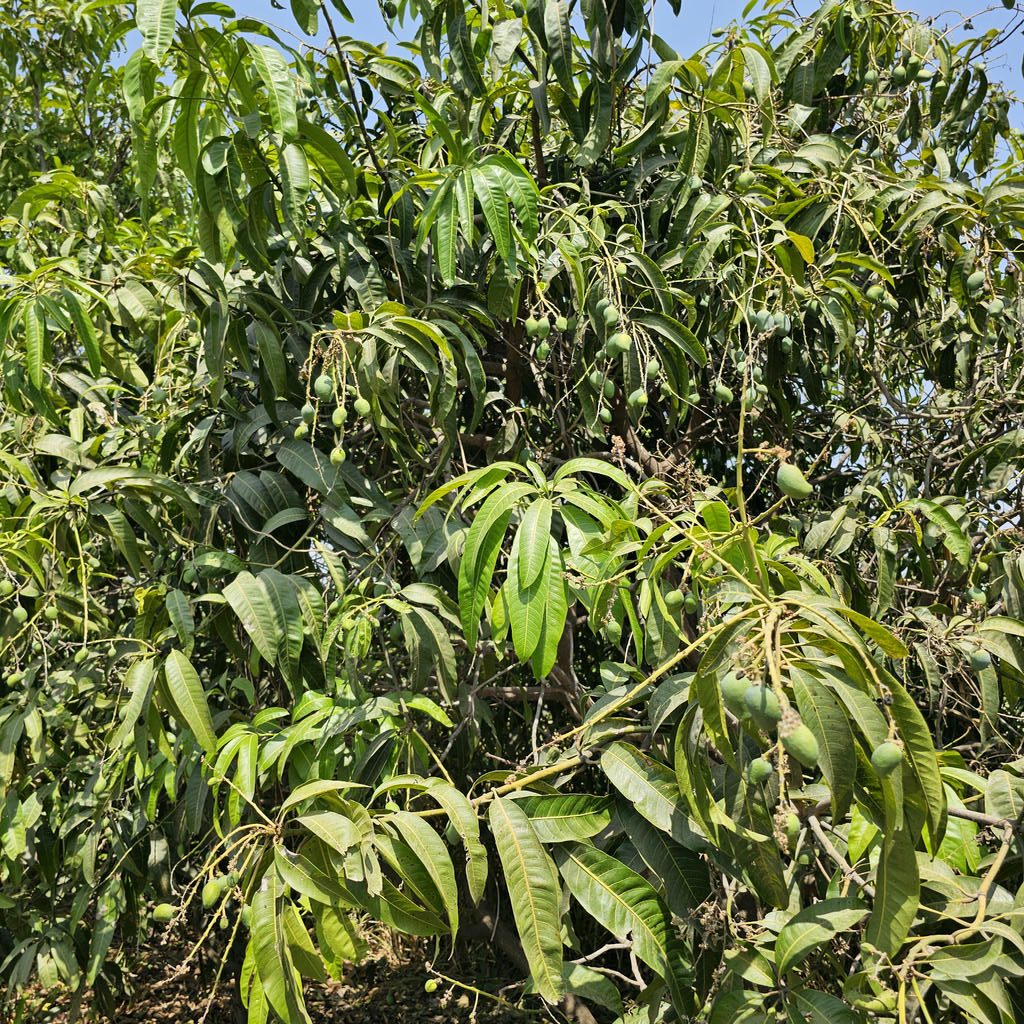
Noorjahan is well suited to the climate of Madhya Pradesh. It thrives at temperatures of 25–40°C during the growing season and tolerates the dry summers characteristic of central India. For farmers in Alirajpur, Dhar, Barwani, Khargone, and Ujjain districts, the local conditions closely match the variety’s natural habitat.
Soil requirements: Deep loamy soil with good drainage is ideal. Avoid waterlogged ground — mango roots are sensitive to standing water. A soil pH of 6.0–7.5 gives the best results. Rocky or shallow soils reduce root development and limit fruit size.
Best planting time: Plant in June–July, at the onset of the monsoon. This allows roots to establish before the next summer heat. Avoid planting in March–May when soil temperatures are at peak.
Spacing: Noorjahan is a large, vigorous tree with a wide spreading canopy. Standard commercial spacing is 10×10 metres. High-density planting at 8×8 metres is possible but requires pruning management to prevent crowding as the orchard matures.
Plants Per Acre & Spacing Guide
Spacing (Row × Plant)
Plants per Acre
Remarks
10m × 10m
40–42 plants
Standard; best canopy + fruit quality
8m × 8m
60–65 plants
Higher density; prune after year 7
9m × 9m
50–52 plants
Good balance of density and airflow
Given the large fruit size, mature Noorjahan trees need strong staking for major scaffold branches during the bearing season. This is especially important from the 5th year onward when individual fruits reach full weight.
Noorjahan Mango — Cost Per Acre & Commercial Returns 2026
Full production (Year 6–7): avg. 50 fruits per tree at 40 trees/acre
2,000 fruits per acre
Farm-gate price per fruit (3 kg avg @ ₹300/kg)
₹900 per fruit
Gross revenue at full production (2,000 fruits × ₹900)
~₹18 lakh per acre
Net profit after costs (Year 7+)
₹12–₹15 lakh per acre/year
These projections are based on conservative farm-gate pricing. Noorjahan supplied to premium urban markets, agri-tourism setups, or direct-to-consumer channels often achieves ₹500–₹1,500 per fruit, substantially improving the return. The post-season harvest window (July–August) is the critical advantage — plan marketing channels before the orchard reaches production.
Why Buy Noorjahan Mango Plants from Madhyanchal Nursery
Noorjahan is a rare variety. Sourcing from an unreliable nursery risks getting mislabelled plants — a mistake that only becomes apparent 3–4 years after planting, at first fruiting. Madhyanchal Nursery is an NHB 2-Star certified nursery in Madhya Pradesh. Every batch of Noorjahan saplings is propagated by veneer grafting from verified mother trees, ensuring you receive true-to-type plants suited to the Central Indian climate.
We supply to commercial farmers, agri-entrepreneurs, and institutional buyers across India. Minimum order is 500 plants for bulk pricing. For farmers planting at 10×10 m spacing, 500 plants covers approximately 12 acres of dedicated Noorjahan orchard.
Compare our mango range: Chausa Mango plants for North Indian markets (peak July season) and NMK-1 Custard Apple plants for an excellent companion orchard crop with a similarly premium retail position.
Frequently Asked Questions — Noorjahan Mango Plant India
When does Noorjahan mango ripen?
Noorjahan mango ripens in July and August — well after the main mango season ends. This post-season timing means it reaches the market when most other varieties have already sold out, which is a key reason it commands premium retail prices of ₹500–₹1,500 per fruit.
How many Noorjahan mango plants can I grow per acre?
Because Noorjahan is a large, spreading tree, spacing is wider than for compact varieties. At 10×10 metre spacing you can fit 40–42 plants per acre. At 8×8 metres you can accommodate 60–65 plants. The wider spacing allows proper canopy development and supports the heavy fruit load during the bearing season.
How many years until a grafted Noorjahan mango plant bears fruit?
Grafted Noorjahan mango plants from Madhyanchal Nursery typically bear their first fruits in 3 to 4 years. Full commercial production begins from the 6th–7th year, when a mature tree produces 30–80 fruits per season. Seedling-grown plants take 8–10 years — grafted plants are strongly recommended for commercial orchards.
Is Noorjahan mango suitable for farming in Madhya Pradesh?
Yes — Noorjahan is native to Alirajpur district in Madhya Pradesh, making it ideally adapted to the state’s warm, dry summers and moderate rainfall. Districts like Alirajpur, Dhar, Barwani, Ujjain, and Khargone provide excellent growing conditions. Farmers across MP have successfully established Noorjahan orchards using grafted material from NHB-certified nurseries.
What is the minimum order for Noorjahan mango plants?
Madhyanchal Nursery supplies Noorjahan mango plants for commercial orders with a minimum quantity of 500 plants. This covers approximately 12 acres at 10×10 m spacing. For bulk pricing and delivery schedules, call or WhatsApp: +91-9753884743.
Order Noorjahan Mango Plants in Bulk
Noorjahan is one of the most commercially promising mango varieties available to Indian farmers — post-season harvesting, extraordinary fruit size, and premium market positioning combine to deliver orchard returns well above standard mango varieties. At Madhyanchal Nursery, our NHB 2-Star certified Noorjahan grafted plants give you the right genetics, true-to-type, suited to Central India’s climate.
To place a bulk order of 500+ Noorjahan mango plants, call or WhatsApp: +91-9753884743.
Fruit & Vegetable Plants We Offer हमारे उपलब्ध फल व सब्ज़ी पौधे