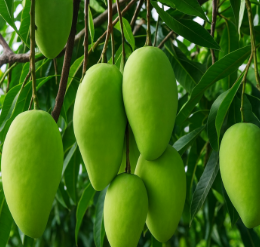
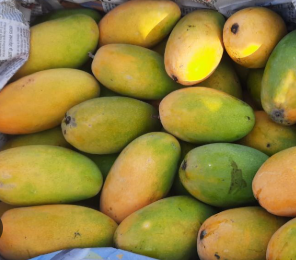
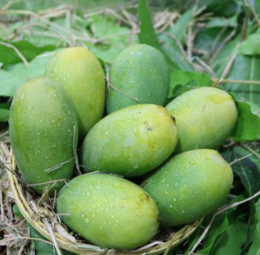
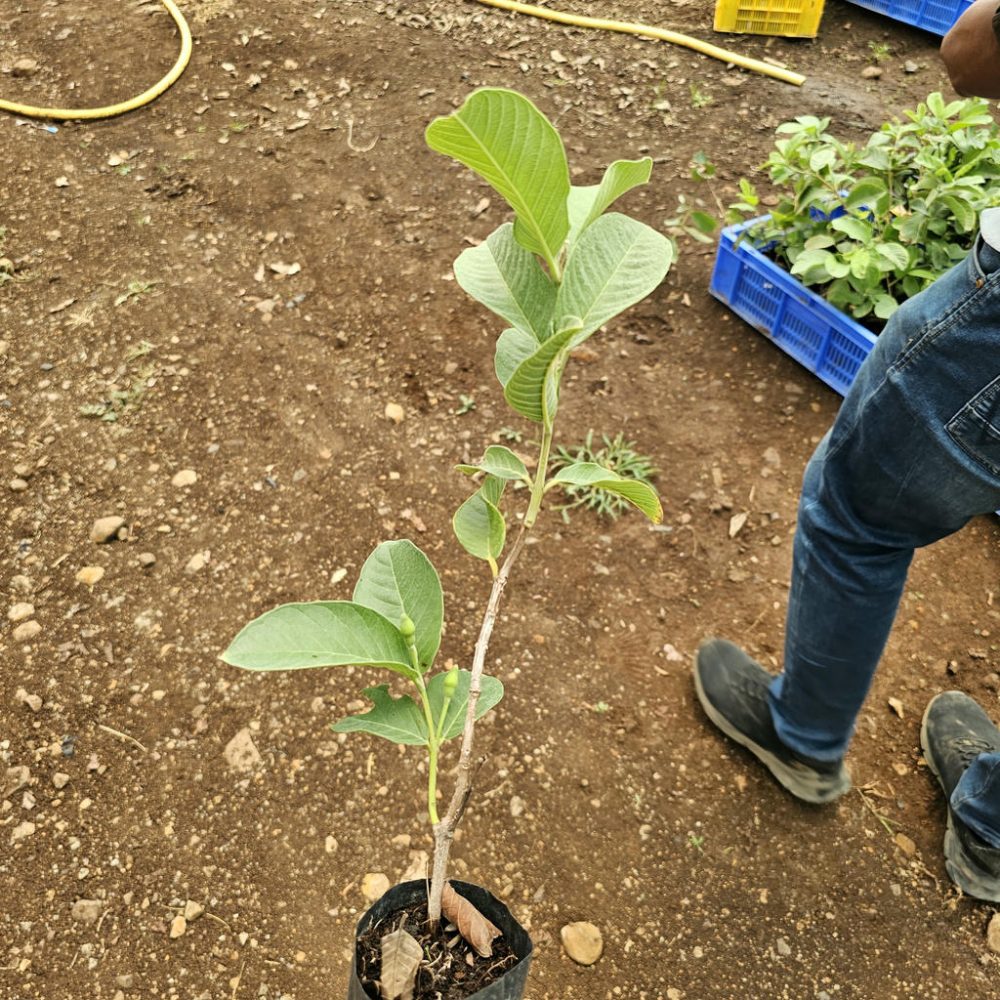
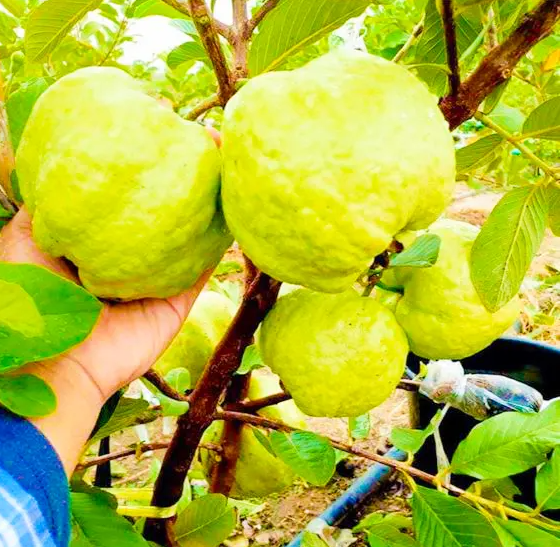
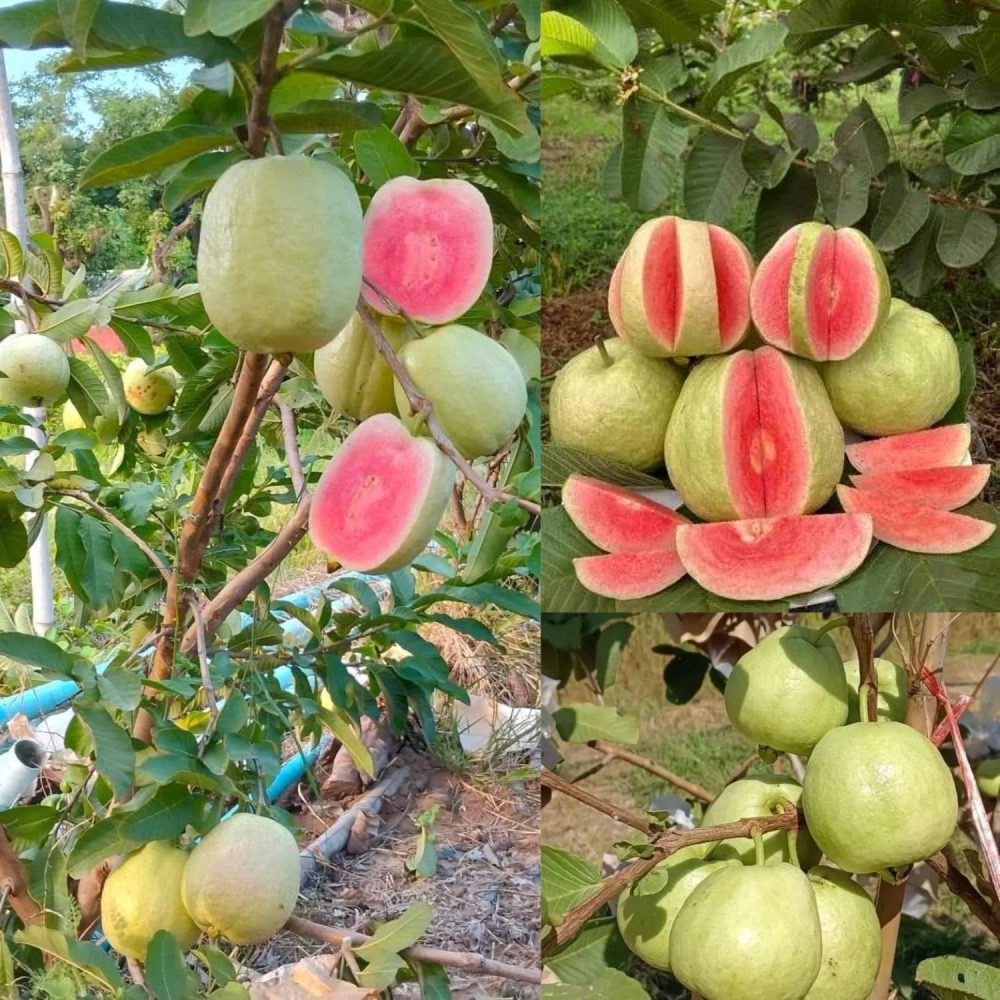
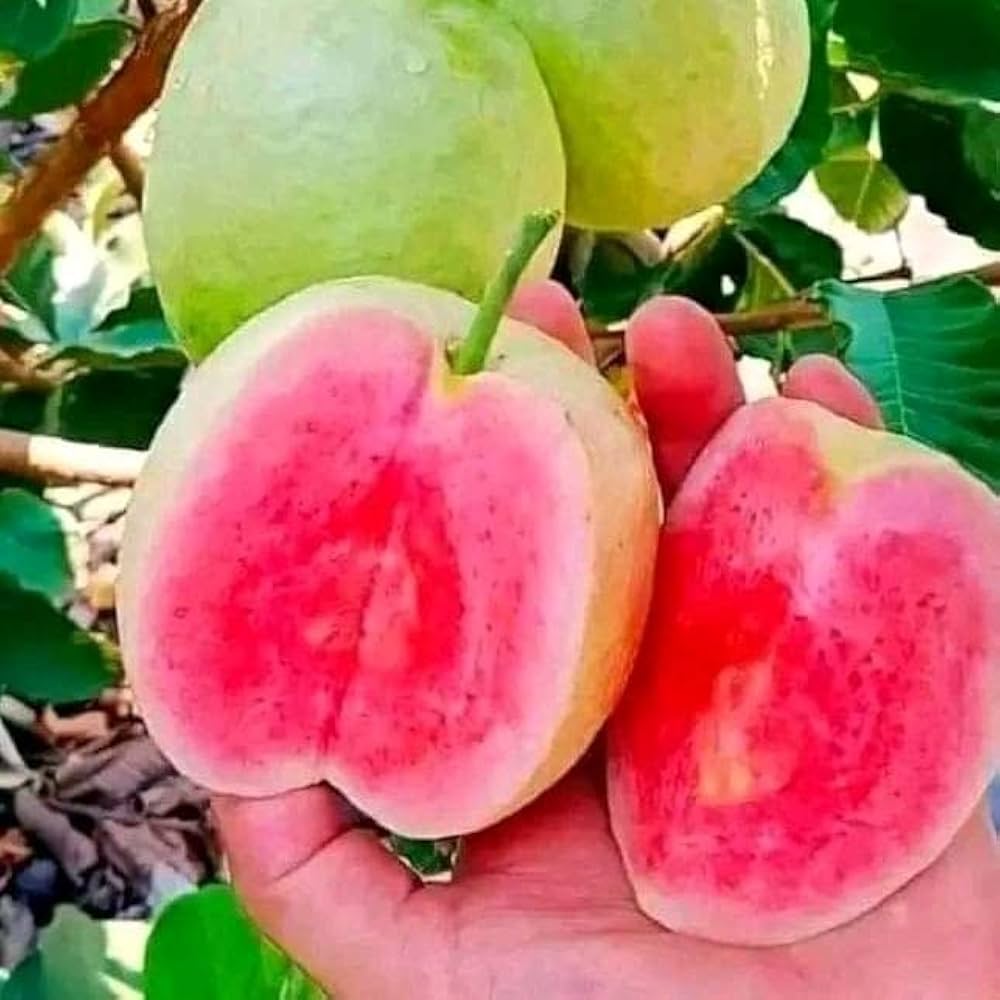
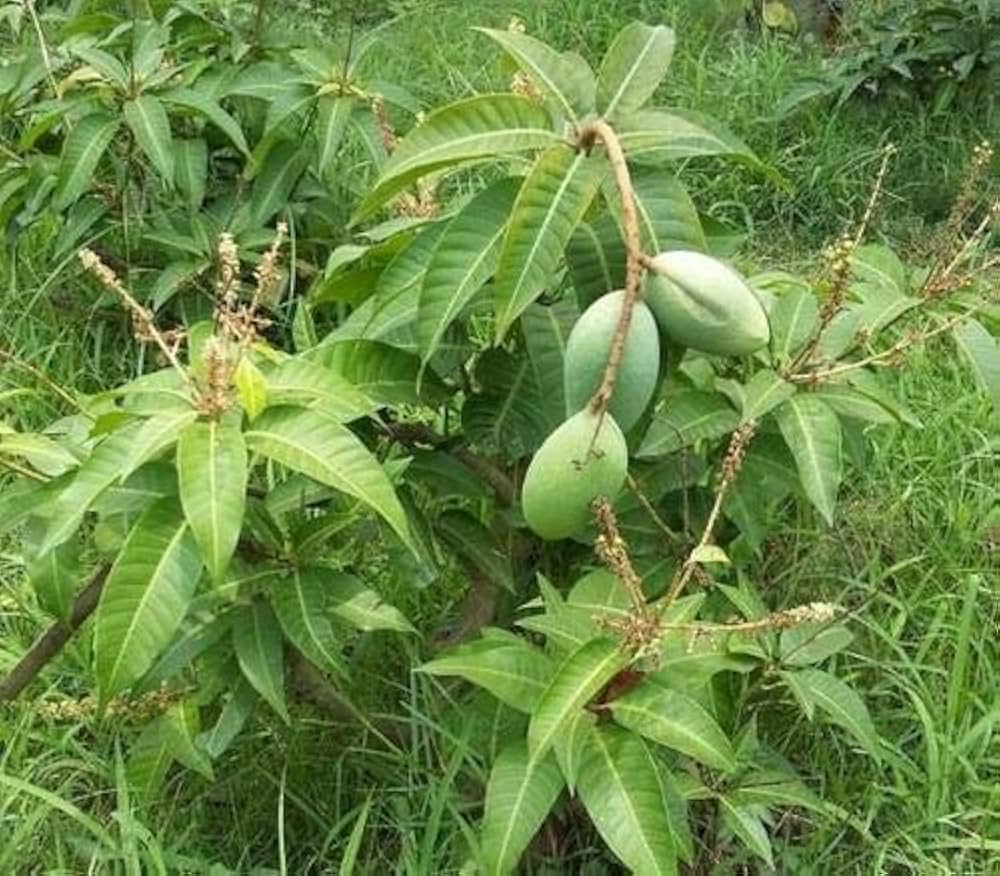
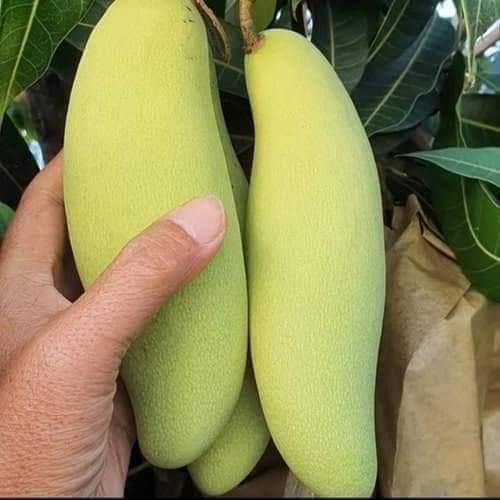
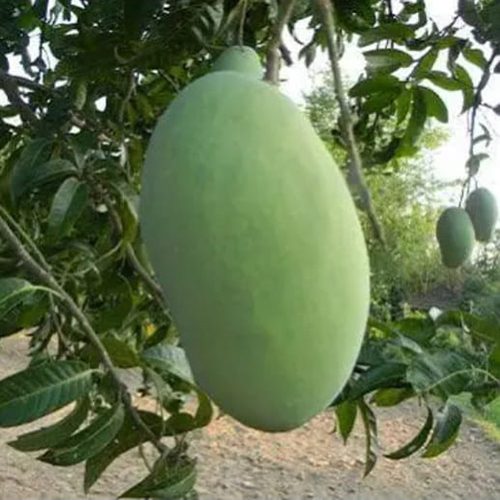
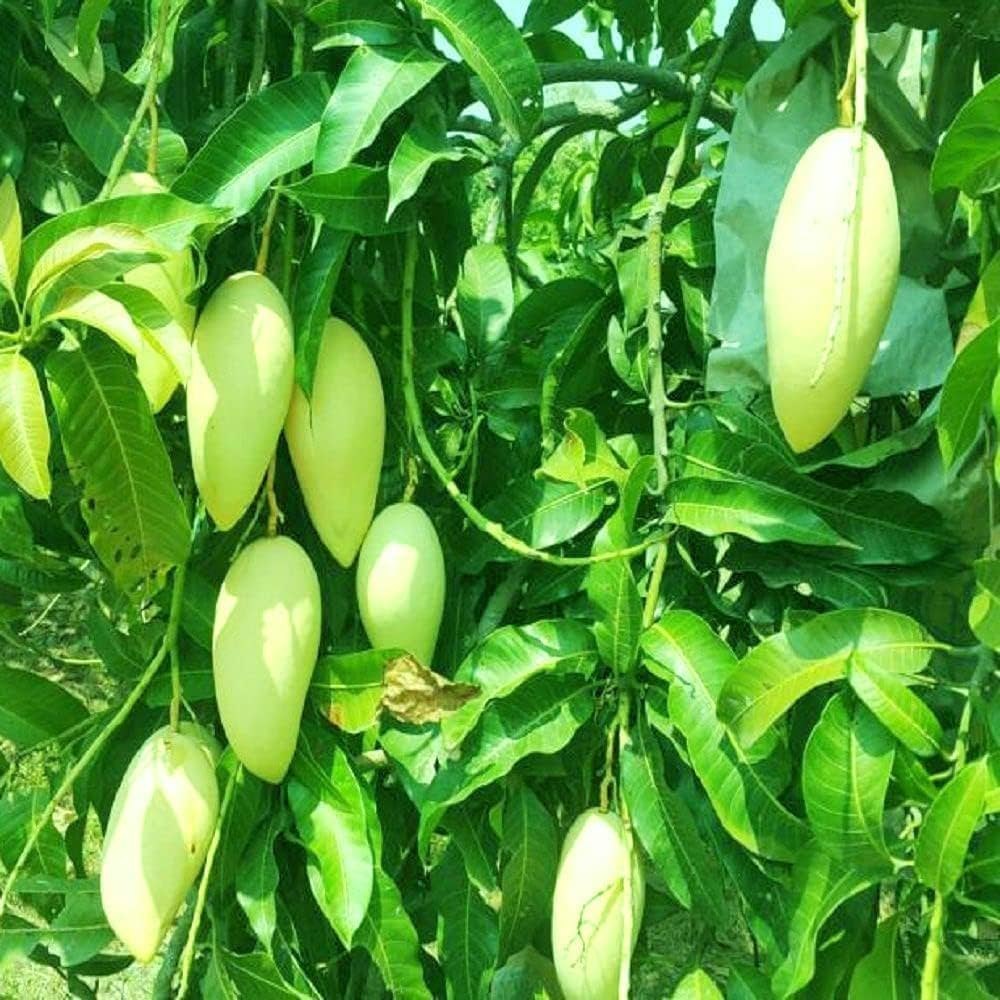
If you are planning to buy Dussehri mango plant online in Madhya Pradesh for a commercial orchard, Madhyanchal Nursery supplies NHB 2-Star certified grafted saplings in bulk. Dussehri (दशहरी आम) is one of India’s most beloved mango varieties — a GI-tagged cultivar from Malihabad, Uttar Pradesh — prized for its fibreless, intensely sweet pulp and bright yellow-green skin. Grown commercially across Central India, Dussehri trees fruit reliably in the hot, dry summers of MP, making it an excellent choice for large-scale orchard investment in 2026.
Grafted plants fruit in 3–4 years — not 7+ years like seedling trees
Fibreless, GI-tagged variety with premium market value and consistent demand
NHB 2-Star certified planting material — verified quality, true-to-type grafting
Dussehri Mango – Quick Facts
Parameter
Details
Botanical Name
Mangifera indica ‘Dussehri’
Hindi Name
दशहरी आम (Dashehri Aam)
Type
Grafted sapling (wedge / tongue grafting)
Fruiting Season
June – July
First Fruiting
3–4 years after planting (grafted)
Average Fruit Weight
100–160 grams
Pulp
Fibreless, deep yellow, very sweet (19–21 °Brix)
Tree Size at Maturity
Medium–large (manageable with pruning)
Climate
Subtropical; ideal 24–40°C; tolerates 45°C in MP summers
Why Dussehri Is the Farmer’s Choice for Central India
Dussehri mango holds a unique position in the Indian mango market. It is one of the only commercial mango varieties to carry a Geographical Indication (GI) tag, giving it premium recognition in wholesale mandis and export chains. The fruit’s fibreless, deep-yellow pulp and high sugar content (19–21 °Brix) make it a consistent top-seller from June to July — exactly when mango demand peaks in North and Central India.
For farmers in Madhya Pradesh, Dussehri performs well across the Malwa plateau and Vindhyan region. The variety’s heat tolerance — it withstands temperatures up to 45°C during the critical flowering and fruit-set phase — makes it far more reliable in MP summers than more cold-sensitive varieties. Dussehri trees also have a strong root system that tolerates the clay-loam and black cotton soils common to Ujjain, Indore, Ratlam, and Dewas districts.
Our grafted Dussehri plants are propagated at Madhyanchal Nursery’s NHB 2-Star certified facility using verified mother plant material. Wedge grafting on robust rootstock ensures the sapling carries the exact genetic traits of the parent — correct variety, consistent fruit quality, and commercial-grade yield. You will not receive seedling-grown “Dussehri” plants that take a decade to fruit and produce variable fruit quality, which is a common problem with cheaper, uncertified nursery stock.
Planting Density: How Many Dussehri Trees Per Acre
Choose your planting system based on land size, available labour, and your target return-on-investment timeline:
System
Spacing
Plants per Acre
Best For
Traditional
10m × 10m
~40 trees/acre
Long-term orchards, minimal input, large tree size
Semi-Dense
6m × 6m
~112 trees/acre
Medium orchards with canopy management; higher early yield
High-Density
5m × 5m
~162 trees/acre
Commercial orchard with regular pruning; faster break-even
The semi-dense 6m × 6m system is most popular among MP farmers we supply because it balances tree size with manageable input cost. At 112 trees per acre and a mature yield of 80–130 kg per tree (reached by Year 8–10), you can expect 9–14 tonnes per acre at peak production.
Estimated Year 1 Cost Per Acre (6m × 6m System)
Input
Approximate Cost (₹)
Grafted Dussehri plants (112 × ₹120)
₹13,440
Land preparation + 112 pits
₹17,500
Drip irrigation setup
₹28,000
Organic manure + FYM (Year 1)
₹14,000
Chemical fertilizers (Year 1)
₹8,500
Labour – planting, training, care
₹12,000
Miscellaneous (stakes, wire, tools)
₹7,500
Total Year 1 (approx.)
₹1,00,940
Year 2 and 3 costs are significantly lower (no planting material, reduced irrigation setup). Commercial returns begin from Year 4 onward with grafted plants.
Other Popular Mango Varieties from Madhyanchal Nursery
If you are building a diverse commercial mango orchard, consider combining Dussehri with other high-demand varieties to extend your selling season and spread market risk:
Amrapali Mango Plant – Regular-bearing dwarf hybrid, excellent for high-density orchards; fruits August–September to complement Dussehri’s June–July season.
Kesar Mango Plant – GI-tagged “Queen of Mangoes”; premium market value and export demand from the Gulf.
Chausa Mango Plant – Late-season variety (August–September); fibreless, juicy, ideal for fresh markets in North India.
Ambika Mango Plant – Regular-bearing hybrid from ICAR; high yield, disease-resistant, well-suited to MP climate.
Why Buy Your Dussehri Grafted Plants from Madhyanchal Nursery
Madhyanchal Nursery is one of India’s NHB 2-Star certified nurseries for commercial fruit plant production. Our Dussehri grafted saplings are raised from verified mother plant blocks, ensuring you receive true-to-type planting material — not variable seedlings masquerading as grafted Dussehri.
We supply exclusively to commercial buyers. Minimum order is 500 plants, which positions us as a serious B2B partner for orchard developers, farmer groups, and agri-entrepreneurs in Madhya Pradesh, Rajasthan, Chhattisgarh, and Maharashtra. We do not serve hobbyist or home garden orders.
Frequently Asked Questions — Dussehri Mango Plant
How many years does a grafted Dussehri mango plant take to fruit?
Grafted Dussehri mango plants from Madhyanchal Nursery typically begin fruiting in 3 to 4 years from planting, compared to 7 to 9 years for seedling-grown trees. Our plants are propagated by wedge grafting on robust rootstock, which ensures faster establishment and earlier commercial yield for orchard farmers.
How many Dussehri mango plants can I plant per acre?
Planting density depends on the system you choose. At traditional 10m × 10m spacing, you plant approximately 40 trees per acre — suitable for long-term, minimal-management orchards. At semi-dense 6m × 6m spacing, you fit about 112 trees per acre with canopy management. High-density planting at 5m × 5m accommodates around 162 plants per acre and suits farmers who want earlier returns and higher per-acre yield.
Is Dussehri mango suitable for growing in Madhya Pradesh?
Yes. Dussehri mango thrives in the subtropical climate of Madhya Pradesh. The state’s hot, dry summers (42–46°C) and cool winters are well-suited to Dussehri’s dormancy and flowering requirements. Districts such as Ujjain, Indore, Ratlam, Dewas, and Hoshangabad have established Dussehri orchards with good commercial results. Well-drained black cotton soil or sandy loam soil common to central MP gives excellent yields.
What is the minimum order quantity for bulk Dussehri mango plants?
The minimum order quantity from Madhyanchal Nursery is 500 plants. We are a B2B bulk plant supplier serving commercial orchard farmers and agricultural entrepreneurs. Orders of 500 or more plants receive wholesale pricing. To discuss bulk requirements and delivery to your location in Madhya Pradesh or nearby states, call or WhatsApp: +91-9753884743.
Place a Bulk Order for Dussehri Mango Plants
To place a bulk order of 500+ Dussehri mango plants, call or WhatsApp: +91-9753884743
Our team will confirm availability, current batch pricing, estimated dispatch date, and delivery logistics to your location. We supply across Madhya Pradesh, Rajasthan, Chhattisgarh, Maharashtra, and Gujarat.
📍 मध्यांचल नर्सरी – रतलाम रोड, रामातलाई, खाचरोद – 456224, जिला उज्जैन, मध्यप्रदेश 📞 ऑर्डर करें: +91-9753884743
Fruit & Vegetable Plants We Offer हमारे उपलब्ध फल व सब्ज़ी पौधे