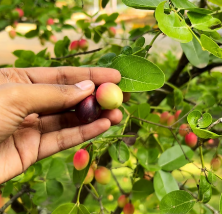
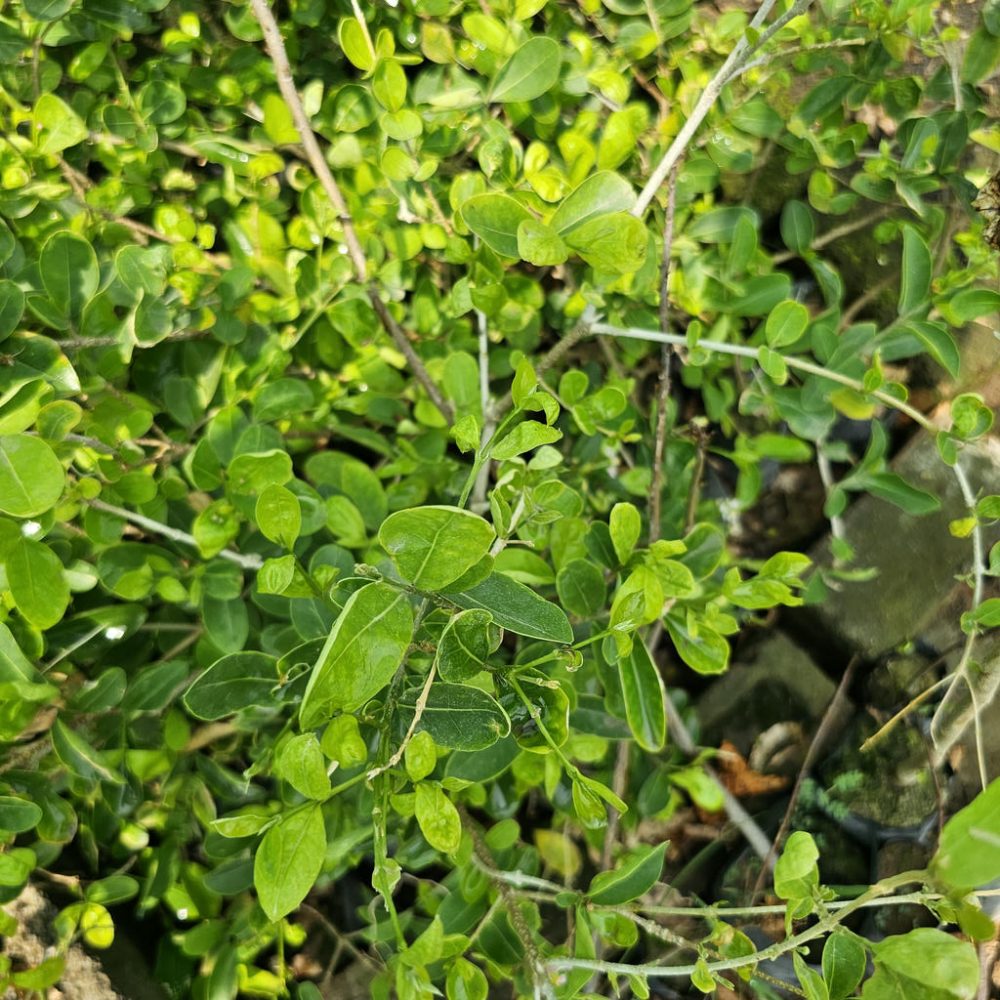
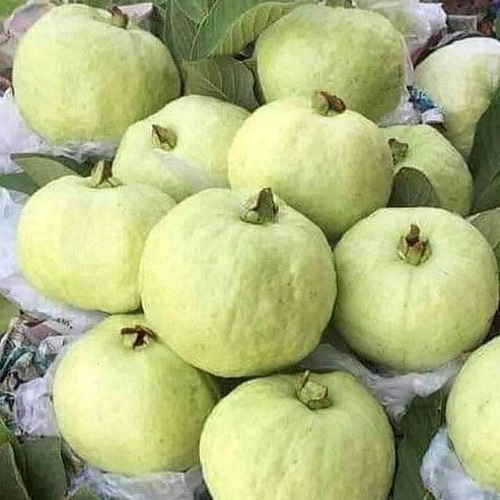
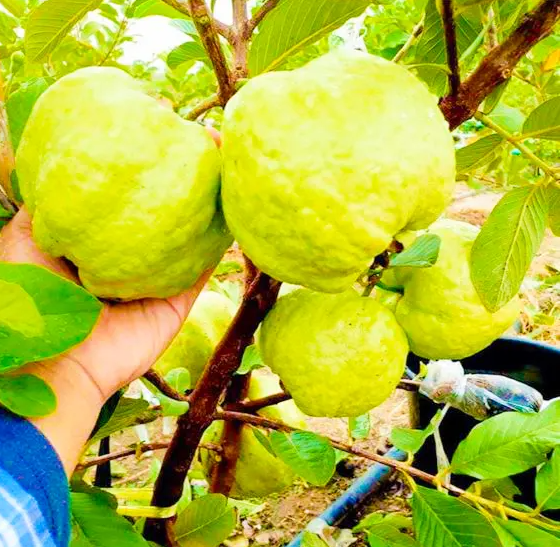
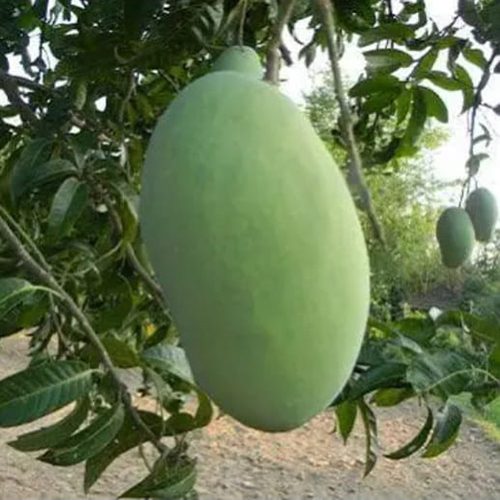
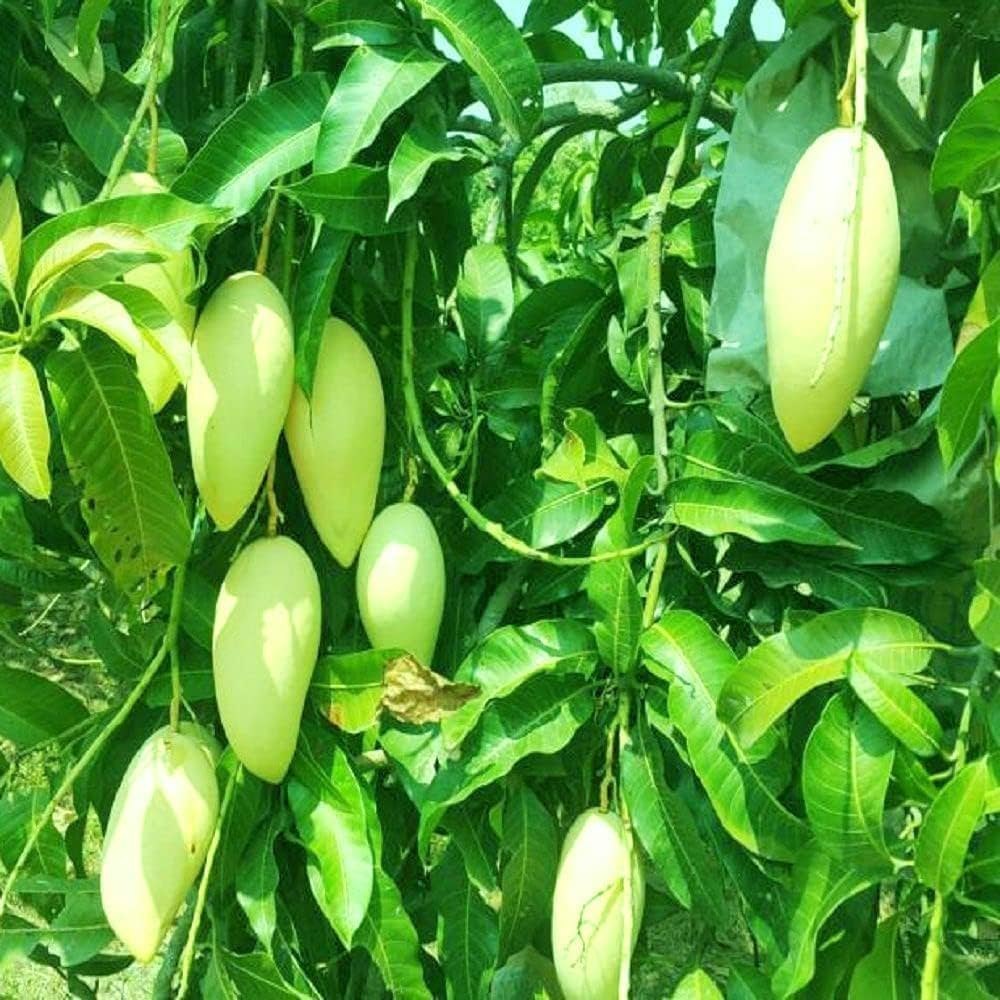
Karonda is one of central India’s most underrated commercial fruit crops. While it lacks the glamour of mango or guava, it compensates with unmatched resilience and low input costs. The plant tolerates the Malwa plateau’s dry summers, poor laterite soils, and erratic monsoon patterns without the irrigation demands of most other fruit trees. Once established after the first season, karonda essentially supports itself through rain-fed cultivation.
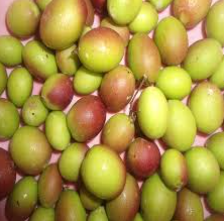
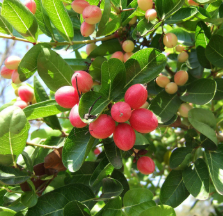
Commercially, karonda fruit moves in two distinct markets. Raw green fruits (June–July) are sold to pickle manufacturers, achaar processors, and murabba makers at farm-gate prices of approximately ₹25–₹45 per kg. Ripe or semi-ripe fruits in August command ₹45–₹80 per kg in retail and direct markets. The processing industry in MP — particularly in Indore, Ujjain, and Dewas — maintains steady year-round demand for raw karonda as a pickling base.
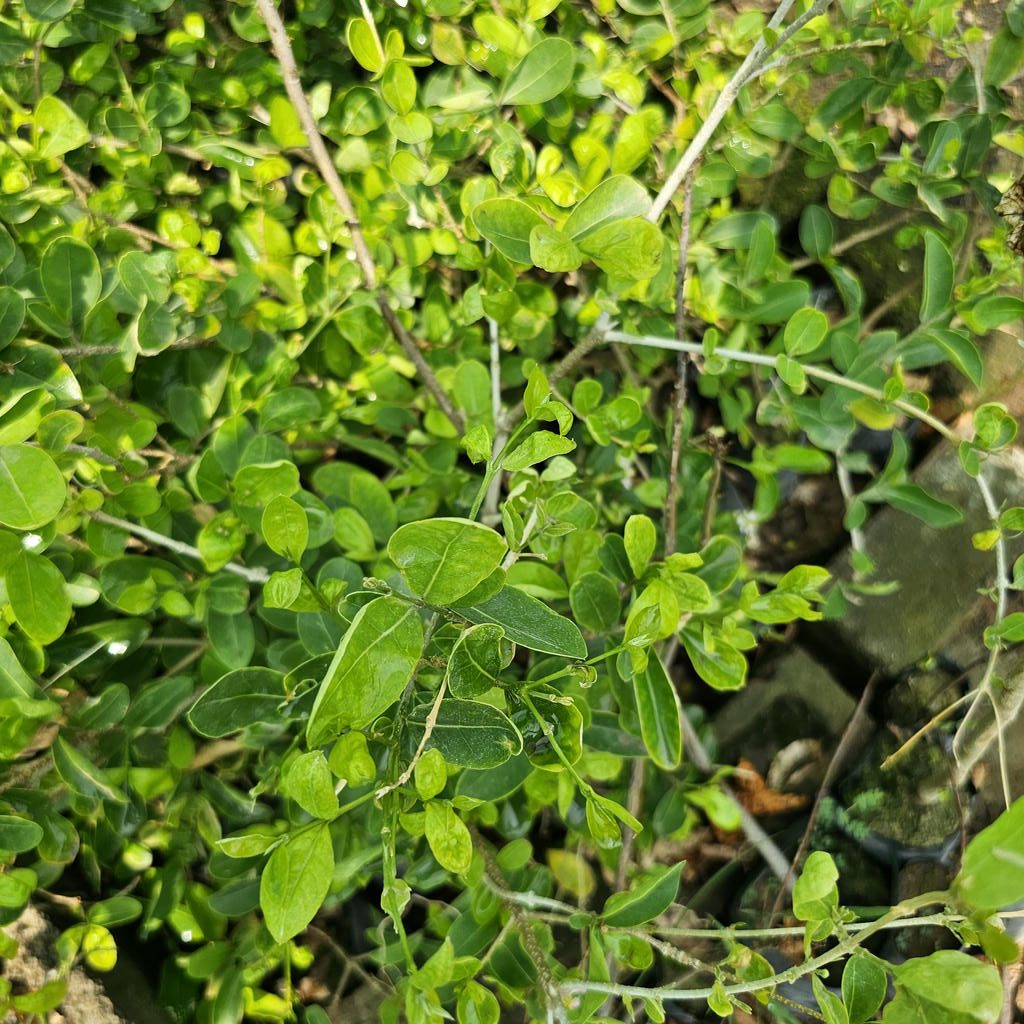
Beyond fruit, karonda’s dense thorny growth makes it an ideal live fence. Farmers in the Nimar belt (Khargone, Barwani, Khandwa) use it as a dual-purpose boundary hedge that yields commercial fruit annually while protecting fields from livestock. This dual value — productive fence plus annual harvest — is increasingly attractive as land boundary costs rise.
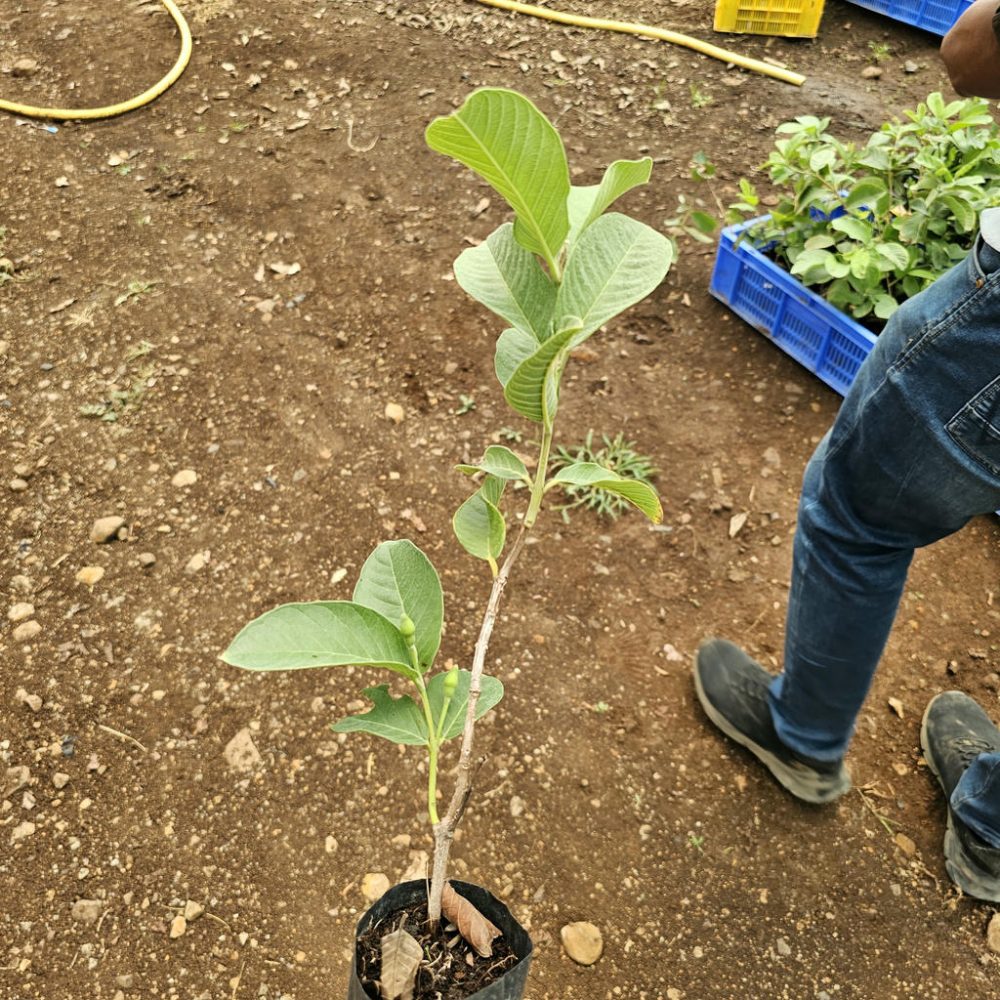
Grafted karonda plants from our NHB 2-Star Certified nursery come true-to-type, bearing in the 2nd–3rd year rather than the 4–5 year wait typical of seedling-grown plants. Our complete range of certified fruit plants follows the same grafted-only supply policy for all commercial varieties.
Per-Acre Economics — Karonda Orchard in Madhya Pradesh
The figures below are based on standard 3m × 3m spacing (approximately 445 plants per acre) and represent typical conditions in MP’s Malwa and Vindhya regions.
First-year setup cost for a karonda orchard runs approximately 85,000 to 95,000 rupees per acre. This covers grafted saplings at roughly 445 units, land preparation and pit digging, drip or furrow irrigation setup, fertiliser, and first-season labour. Karonda’s setup cost is lower than most fruit trees because it does not require elaborate irrigation infrastructure — a basic furrow irrigation system is sufficient.
Annual maintenance cost from year 2 onward is modest — typically 22,000 to 30,000 rupees per acre per year covering fertiliser top-dressing (farm yard manure + NPK), plant protection (fungal spray in humid conditions), and harvest + transport labour in July–August.
Revenue from year 4–5 onward: At 445 plants per acre, mature karonda can yield 5–6 tonnes per acre annually. At farm-gate rates of approximately ₹35–₹50 per kg (blended raw and semi-ripe pricing), per-acre gross revenue works out to 1.75 to 3 lakh rupees per season. After deducting annual maintenance, net profit per acre typically falls between 1.4 and 2.7 lakh rupees.
Break-even point: Most well-managed karonda orchards recover initial investment costs by year 4–5, after which the crop becomes a low-cost recurring income stream for at least 15–20 years without replanting.
Climate and Soil Suitability for Madhya Pradesh
Karonda’s natural range spans tropical and subtropical India, and MP’s conditions are nearly ideal. The crop handles the state’s warm winters (minimum 5–8°C in most districts), hot dry summers, and monsoonal rainfall of 700–1,000 mm per year without stress. It is not frost-sensitive at the temperatures typical of MP’s plains.
Soil flexibility is a key commercial advantage. Karonda grows productively on black cotton soil (vertisol) in Malwa and on red laterite soils in the Vindhya ranges — the same soils that challenge other fruit crops. It tolerates moderate salinity and slightly alkaline pH (up to 7.8), making it viable in areas where guava or mango would struggle.
Karonda is especially suited to dryland farming areas where assured irrigation is not available. Once the root system is established (6–9 months from transplanting), the plant derives most of its water needs from the monsoon season alone. Supplemental irrigation of 3–4 rounds during the March–April flowering period significantly improves fruit set and total yield, but is optional rather than mandatory.
Planting and Care Guide
Best planting time: July–August (onset of southwest monsoon) or February–March for irrigated farms. Monsoon planting gives the highest first-season survival rate and reduces need for irrigation in year 1.
Pit preparation: Dig 45 cm × 45 cm × 45 cm pits at 3m × 3m spacing at least 15 days before planting. Fill each pit with a mixture of well-composted farm yard manure (8–10 kg), single super phosphate (100 g), and native topsoil. Allow the filled pits to settle before transplanting saplings.
Water management: In year 1, irrigate every 10–12 days during dry spells to establish the root system. From year 2 onward, the crop becomes largely rain-fed. Provide 3–4 supplemental irrigations during the flowering flush (March–April) to improve fruit set.
Fertilisation schedule: Apply balanced NPK (10:26:26) at 100 g per plant after first fruiting, increasing to 250 g per plant annually by year 5. Farm yard manure top-dressing of 10 kg per plant each October helps maintain soil organic matter.
Pruning: Light annual pruning after the harvest period (August–September) improves light penetration, reduces disease incidence, and stimulates new productive wood for the following season. Remove dead, crossing, or inward-facing branches each year.
For more on intercropping strategies used by commercial orchard growers in MP, see our pages on Noorjahan Mango and Kesar Mango — both are commonly planted alongside karonda hedges in mixed-fruit orchard systems.
Frequently Asked Questions — Karonda Plant
What is the per-acre yield of karonda and when does it start producing commercially?
Grafted karonda plants begin fruiting in the 2nd–3rd year after planting, though first-year yields are light. Full commercial production begins from year 4–5. At 3m × 3m spacing (approximately 445 plants per acre), mature orchards typically yield 5–6 tonnes per acre per season. Individual plant yield at maturity ranges from 15–25 kg per year. Grafted plants reach commercial yield 1–2 years earlier than seedling-grown plants, which is why we supply only grafted material.
Is karonda suitable for Madhya Pradesh’s climate and soils?
Yes — karonda is one of the best-adapted fruit crops for MP’s conditions. It tolerates the Malwa plateau’s dry summers, handles both black cotton soil and red laterite without amendment, and thrives on the 700–950 mm annual rainfall typical of most MP districts. It is not frost-sensitive at temperatures found in MP plains and does not require the cold chill period needed by apple or pear. For dryland farmers in the Nimar belt (Khargone, Barwani) where irrigation is scarce, karonda’s drought tolerance after establishment makes it one of the most viable commercial options available.
What are the main uses and market demand for karonda fruit?
Karonda fruit serves three primary markets. Raw green fruit (June–July) is supplied to pickle and murabba processors — the achaar industry in Indore, Ujjain, and Dewas has consistent bulk demand. Semi-ripe and ripe fruit in August sells in local and regional markets for direct consumption, juice, and home processing. Additionally, karonda juice is increasingly used in herbal drink formulations. Processing industry demand is consistent year-round since karonda achaar has a long shelf life and is produced throughout the year from stored stock.
Can karonda be grown as a live fence alongside other fruit trees?
Yes — this is one of karonda’s most practical commercial uses in MP. Its dense thorny growth forms an effective livestock-proof boundary. Many commercial mango and guava orchards in Nimar and Malwa districts use karonda as boundary planting at 2m spacing along field edges. These boundary rows yield 10–15 kg per plant annually from year 3 onward, providing income from otherwise unproductive boundary land. The approach works especially well alongside mango orchards since the harvest periods align and single-trip transport covers both crops.
What is the minimum order quantity and how are plants delivered?
Our minimum order for karonda saplings is 500 plants. All saplings are 6–9 months old grafted plants supplied in polybags, ready for direct field transplanting. We arrange delivery to farm locations across Madhya Pradesh, Rajasthan, Gujarat, and Maharashtra. Bulk pricing applies for orders above 1,000 plants. To confirm current stock availability, delivery timeline, and pricing for your order size, call or WhatsApp us before placing an order.
Order Certified Karonda Saplings in Bulk
Madhyanchal Nursery is an NHB 2-Star Certified nursery in Madhya Pradesh supplying grafted karonda plants to commercial farmers, orchard developers, and agribusiness buyers. All planting material is nursery-grown under quality-controlled conditions.
To place a bulk order of 500+ karonda plants, call or WhatsApp: +91-9753884743
Browse our full catalogue of certified commercial fruit plants including mango, guava, lemon, custard apple, and dragon fruit varieties suited to MP’s climate.
Fruit & Vegetable Plants We Offer हमारे उपलब्ध फल व सब्ज़ी पौधे