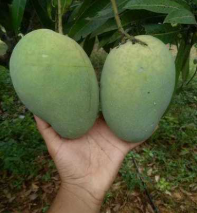
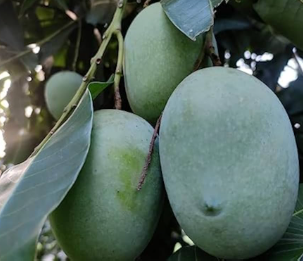
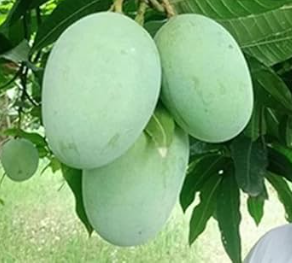
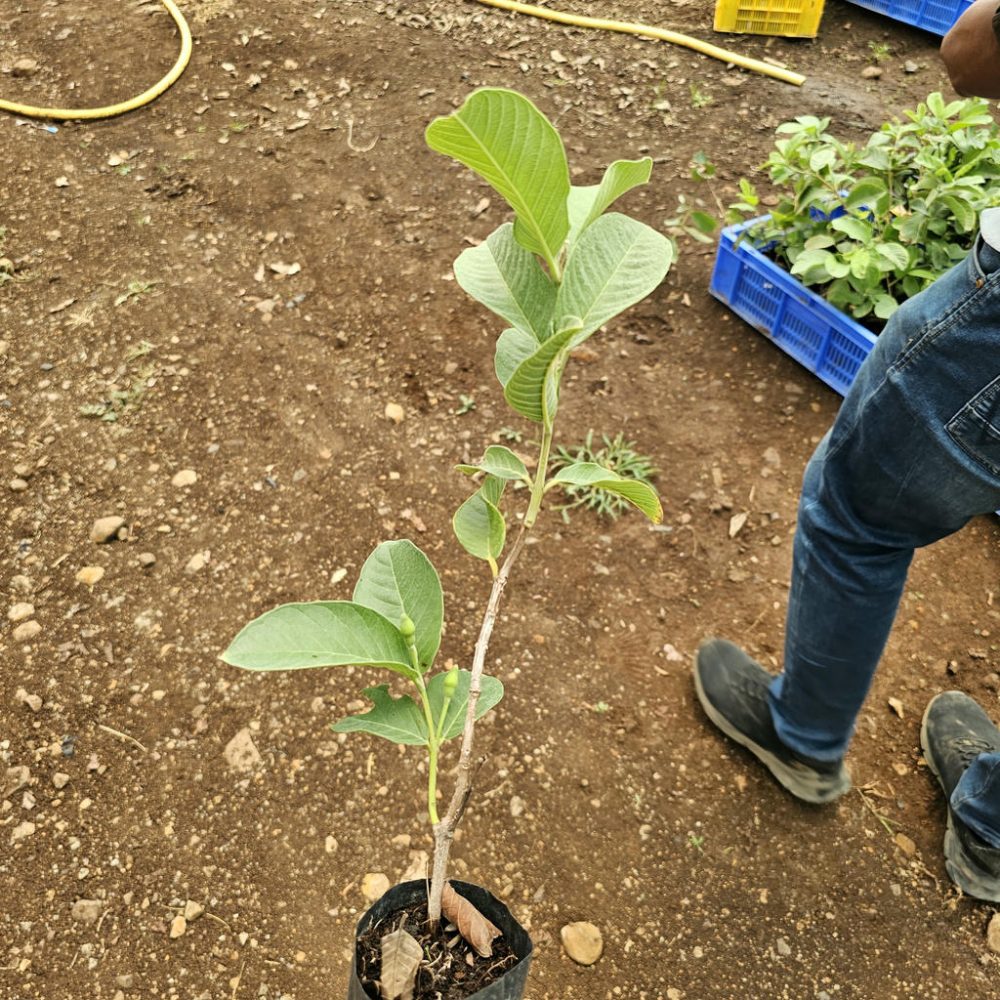
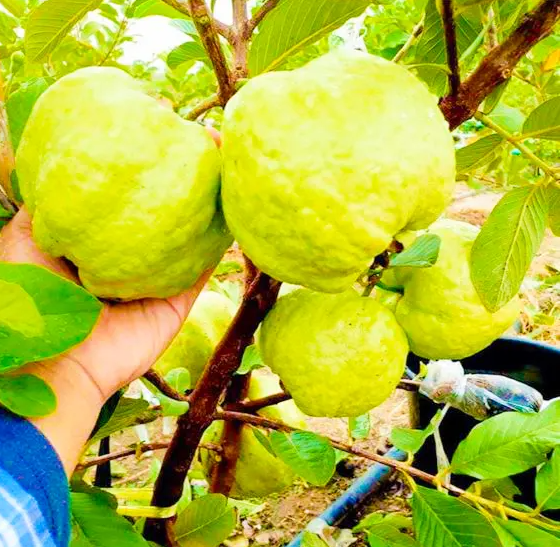
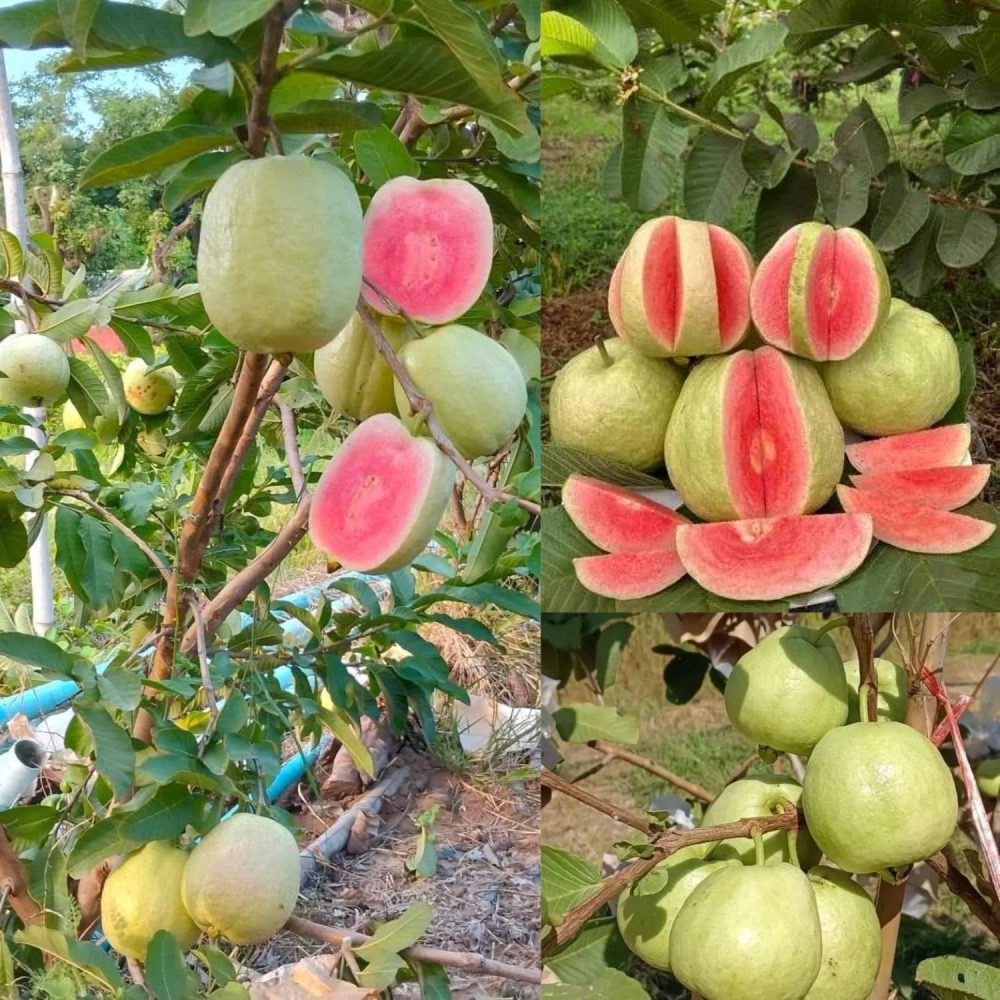
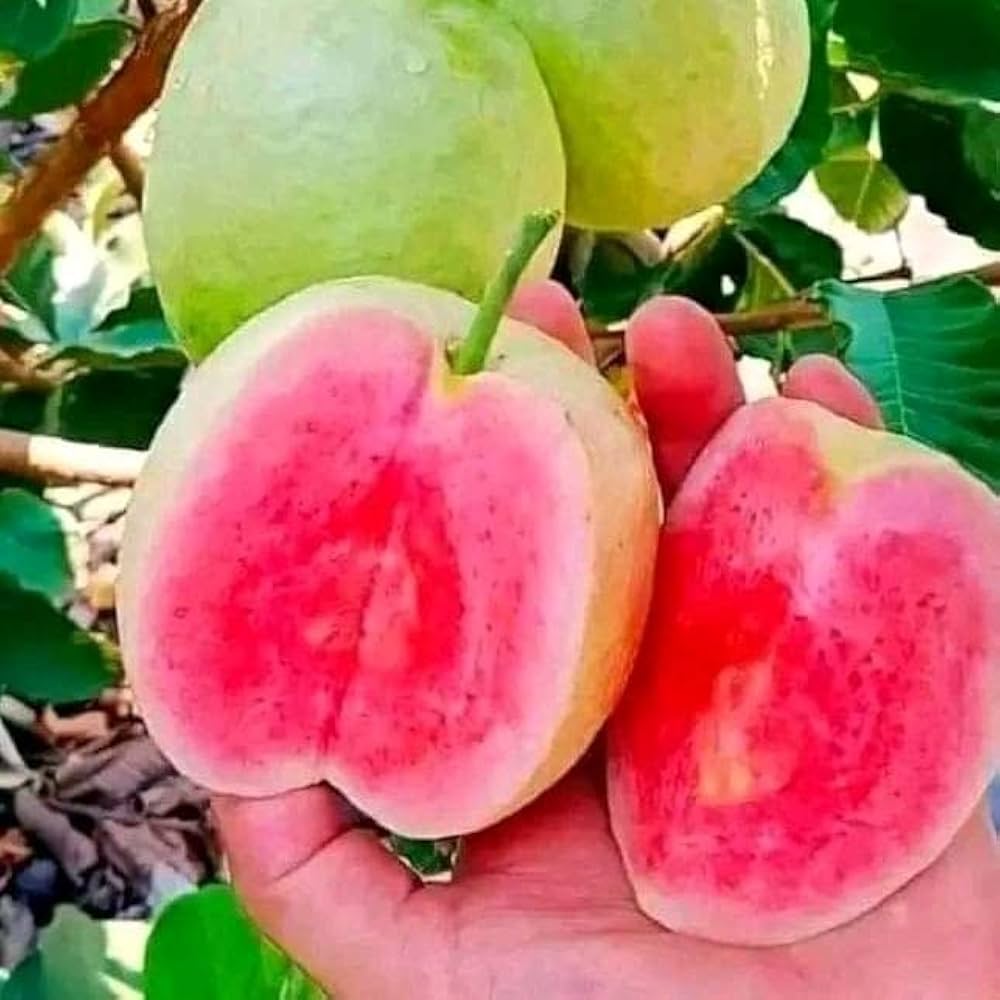
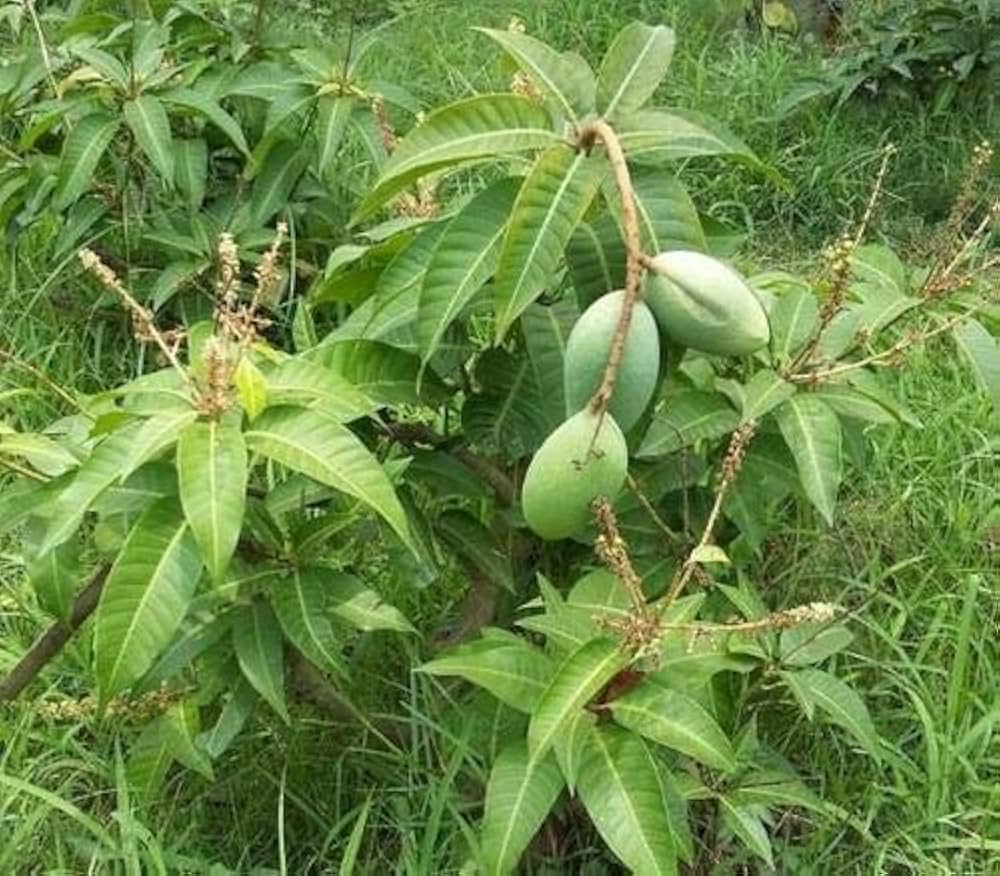
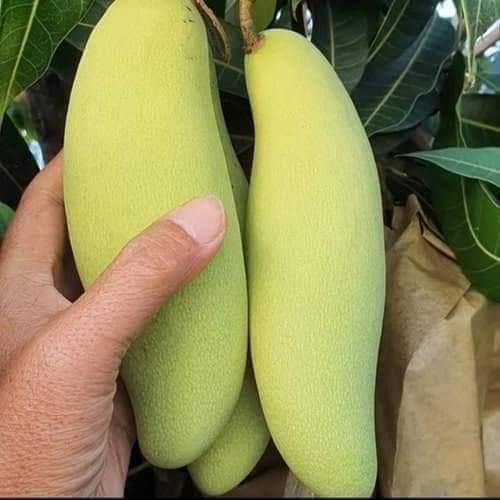
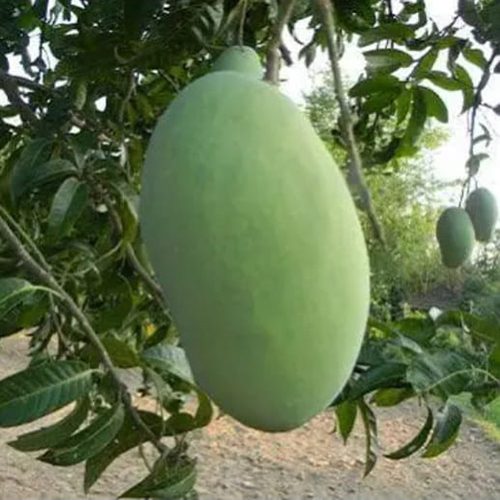
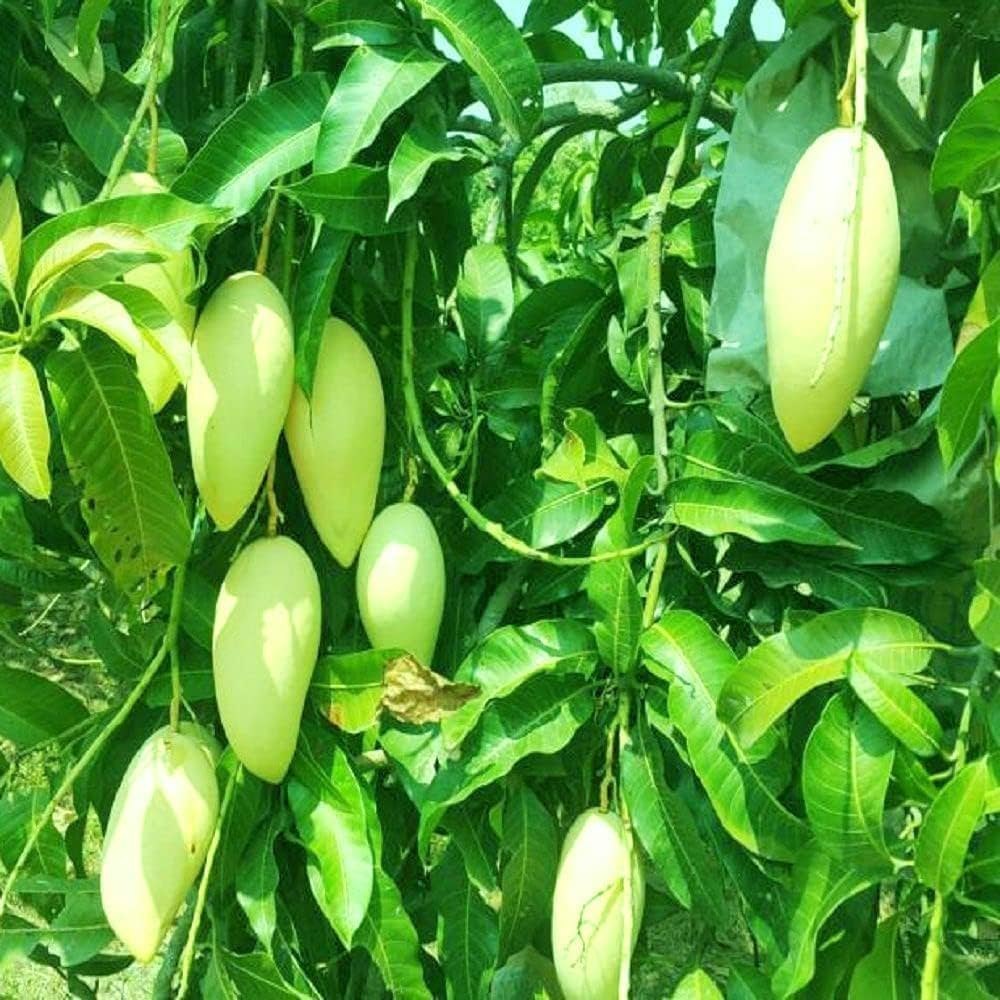
The Langda mango plant (लंगड़ा आम / Langda Aam) is one of India’s most commercially important mango varieties — originating from Varanasi, Uttar Pradesh, where it has been cultivated for centuries. Known for its distinctive greenish-yellow skin even at full ripeness, intensely sweet aromatic pulp, and near-zero fibre, Langda is a premium mid-to-late-season variety that commands strong B2B and wholesale pricing across North and Central India. At Madhyanchal Nursery, we supply NHB 2-Star certified grafted Langda mango saplings for commercial orchard planting, with a minimum order of 500 plants.
Langda Mango — Quick Facts
Property
Details
Botanical Name
Mangifera indica (Langda cultivar)
Hindi Name
लंगड़ा आम (Langda Aam) / बनारसी लंगड़ा
Origin
Varanasi (Benares), Uttar Pradesh
Sapling Type
Grafted (vegetatively propagated for true-to-type fruit)
Fruiting Season
June – July (mid to late season)
Fruit Character
Oval, greenish-yellow skin, sweet aromatic pulp, very low fibre
Why Langda Mango is One of India’s Most Valued Commercial Varieties
Langda mango (लंगड़ा आम) earns its place in India’s top five commercial mango varieties through a combination of consumer familiarity, premium pricing, and consistent orchard performance. The variety takes its unusual name — “langda” means lame or lame person in Hindi — from a legend about its original cultivator in Varanasi. Despite the name, its market reputation is anything but ordinary.
The fruit is characterised by its striking greenish-yellow skin that stays green even at peak ripeness, unlike most other mangoes which turn yellow or orange. This visual trait makes Langda immediately identifiable at mandis and wholesale markets. The pulp is deep yellow, smooth, nearly fibre-free, with a rich sweet-sour balance and a floral aroma that commands premium pricing in North India’s institutional and export markets.
For commercial farmers in Madhya Pradesh, Langda is a mid-to-late-season variety, ripening June–July after early-season cultivars like Amrapali and before the true late varieties. This positioning in the harvest calendar helps orchard growers manage cash flow and extends their mango season without the price compression typical at peak harvest in May–June. Blending Langda with varieties such as Dussehri, Chausa, and Mallika creates a staggered fruiting schedule that sustains income across the full summer season.
Langda trees are moderate-vigour growers, well-suited to both standard and high-density planting systems. They are alternate bearing in natural conditions, but respond well to paclobutrazol applications that promote regular annual cropping — a practice now common in commercial MP orchards.
Planting and Cultivation Guide for Langda Mango in Madhya Pradesh
Best planting time: July–August at monsoon onset is ideal — the soil is moist, temperatures are moderate, and saplings establish quickly with reduced irrigation demand. February–March is an acceptable secondary window before the summer dry spell, provided drip irrigation is available for the first season.
Soil requirements: Langda performs best on well-drained loamy or alluvial soils. Madhya Pradesh’s deep black cotton soil in the Malwa plateau is less suitable unless ridged beds are used to improve drainage. The red soils of the Vindhya region and the alluvial soils along the Narmada basin are highly suitable. Target a soil pH of 6.0 to 7.5; avoid waterlogged or salinity-prone land.
Plants per acre:
Standard spacing (10m × 10m): approximately 100 plants per acre — the standard approach for rain-fed orchards that plan for inter-cropping between trees during the first 5–6 years.
High-density spacing (6m × 6m): approximately 275 plants per acre — delivers earlier commercial returns but requires systematic canopy management and pruning from year 6 onwards to prevent crowding.
Irrigation: Drip irrigation significantly improves yield consistency and fruit size for Langda. Critical irrigation windows are February–March (flowering and fruit set) and April–June (fruit development and sizing). Withhold irrigation in October–November to promote synchronised, abundant flowering the following season — a key practice for converting alternate-bearing trees to annual production.
Fertilisation: Prepare planting pits with farm yard manure mixed into the backfill before sapling placement. From year 2, apply balanced NPK fertiliser split across pre-monsoon (June) and post-harvest (September) applications. A zinc sulphate and boron micronutrient spray at panicle emergence improves fruit set and reduces malformation — Langda is moderately prone to mango malformation if boron levels are insufficient.
Why Buy Langda Mango Plants from Madhyanchal Nursery
Madhyanchal Nursery is one of Madhya Pradesh’s NHB 2-Star certified grafted fruit plant nurseries, supplying commercial farmers across Central India since 2014. Every Langda mango sapling we supply is:
Grafted from verified Langda mother trees selected for fruit quality, size, and yield — not grown from seed, which would produce off-type fruit
Raised in our certified nursery in Ujjain, MP — fully acclimatised to Central Indian field conditions
Ready to plant on arrival — 2 to 3 feet height with a healthy, established root system in a grow bag
Available for bulk supply of 500 plants and above with uniform height and quality across the entire batch
How many years does a Langda mango tree take to bear fruit?
A grafted Langda mango sapling typically begins fruiting 3 to 4 years after planting. Grafted plants inherit the full fruiting characteristics of the parent tree and establish much earlier than seedlings, which can take 8 to 10 years to bear fruit. By year 5 to 6, a grafted Langda tree in good growing conditions enters commercial yield range. This is why Madhyanchal Nursery supplies only grafted saplings for bulk commercial orders — seedling plants are unsuitable for commercial orchards.
What is the minimum order for Langda mango plants?
Our minimum order quantity (MOQ) is 500 plants. Madhyanchal Nursery is a B2B bulk supplier serving commercial orchard growers, farming enterprises, and institutional buyers across India. We do not supply single plants or small hobby quantities. For orders of 500 grafted Langda mango saplings or more, call or WhatsApp us at +91-9753884743 to confirm current availability, per-plant pricing, and delivery scheduling to your location.
Is Langda mango suitable for growing in Madhya Pradesh?
Yes. Langda mango grows well in Madhya Pradesh’s subtropical climate. The variety thrives in the hot dry summers and moderate monsoon rainfall typical of MP’s Malwa and Vindhya regions. It performs best on well-drained loamy or red soils — the alluvial soils along the Narmada corridor are particularly well-suited. Farmers in Ujjain, Indore, Hoshangabad, and Rewa districts have successfully grown Langda alongside Chausa and Mallika varieties for a blended seasonal harvest calendar.
Why does Langda mango stay green when ripe?
Langda mango retains a greenish-yellow skin colour even at full ripeness — this is a natural genetic characteristic of the variety, not a sign of immaturity. The green skin makes Langda immediately recognisable at wholesale markets and distinguishes it from yellow-skinned varieties like Dussehri or Alphonso. Inside, the fully ripe fruit has deep yellow, aromatic, low-fibre pulp with a pronounced sweet-sour flavour. Buyers and traders who know the variety look for a slight softness and the typical Langda aroma as ripeness indicators rather than skin colour.
Order Langda Mango Plants in Bulk
Ready to add this high-value mid-season variety to your commercial orchard? Contact Madhyanchal Nursery — an NHB 2-Star certified nursery in Madhya Pradesh — for bulk grafted Langda mango saplings (लंगड़ा आम के पौधे).
Minimum order: 500 plants. Pan-India delivery available.
📞 Call or WhatsApp: +91-9753884743 to confirm availability, per-plant pricing, and delivery timeline to your farm.
Fruit & Vegetable Plants We Offer हमारे उपलब्ध फल व सब्ज़ी पौधे