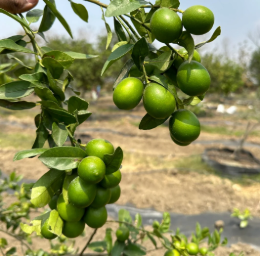
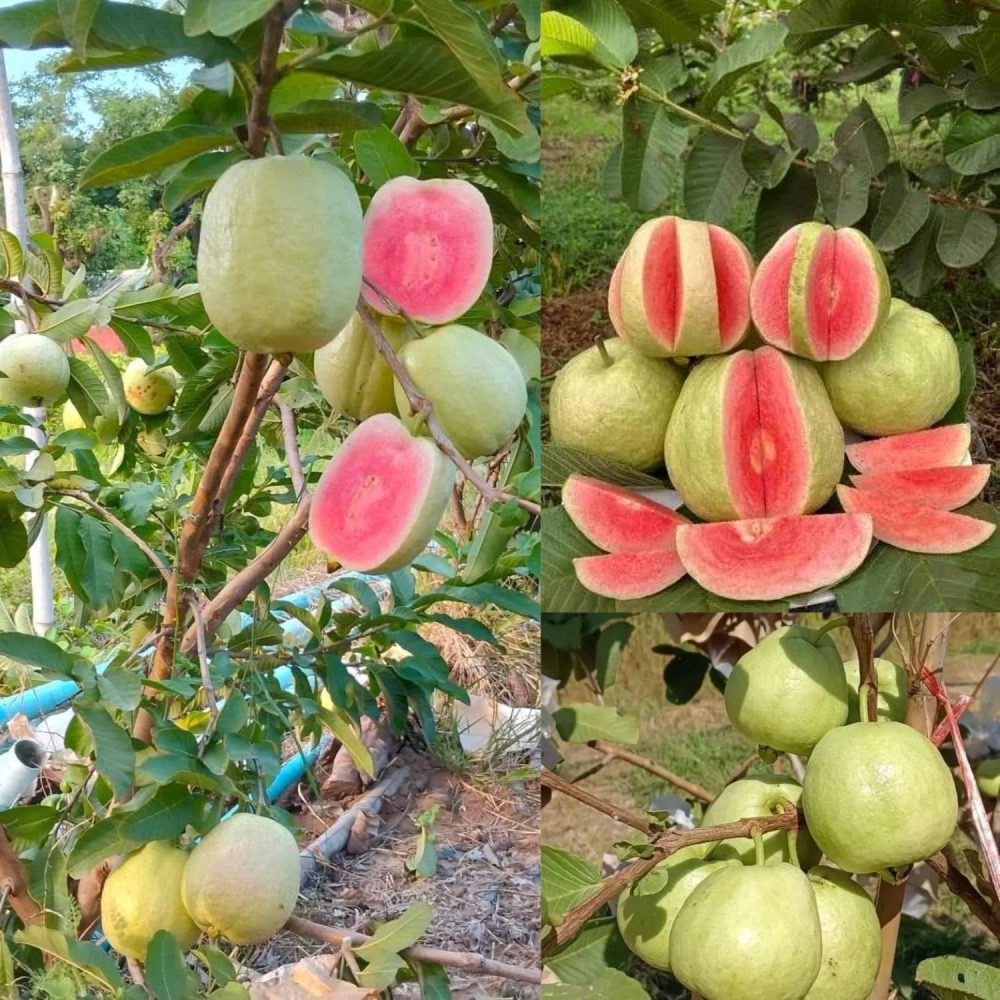
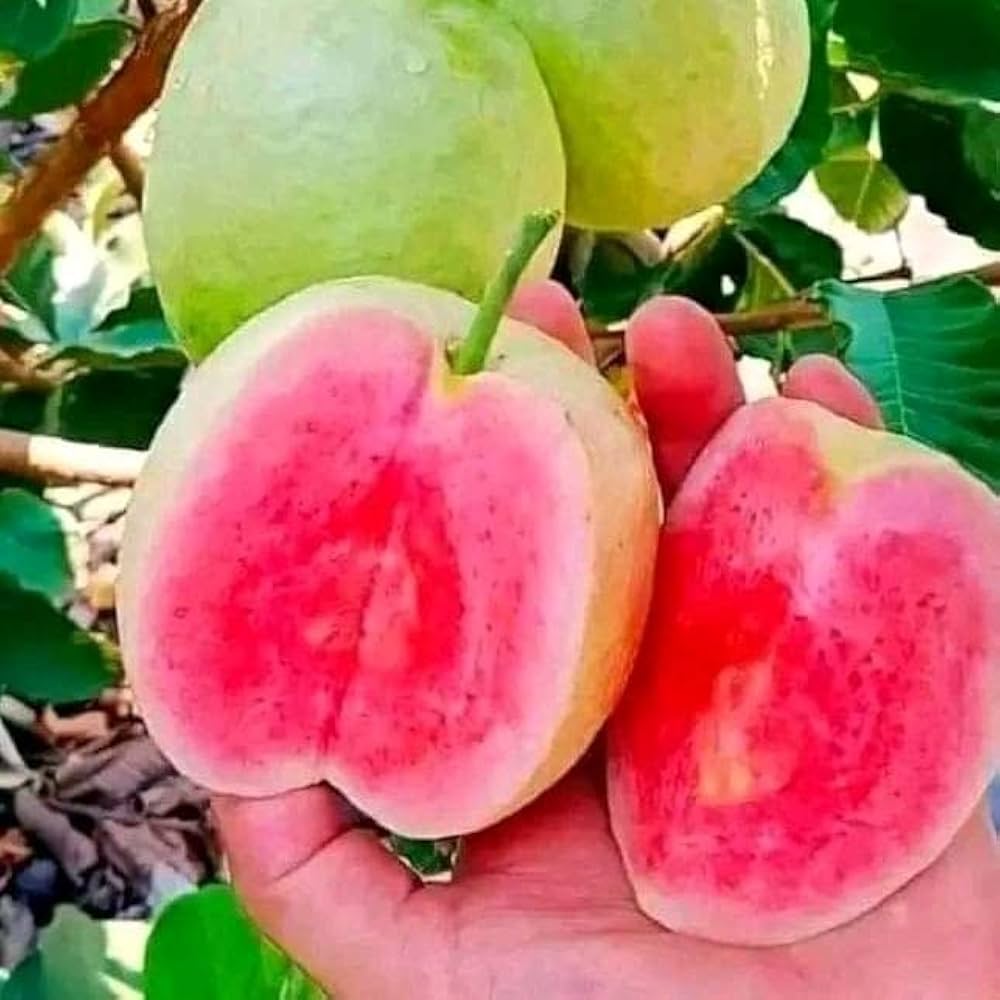
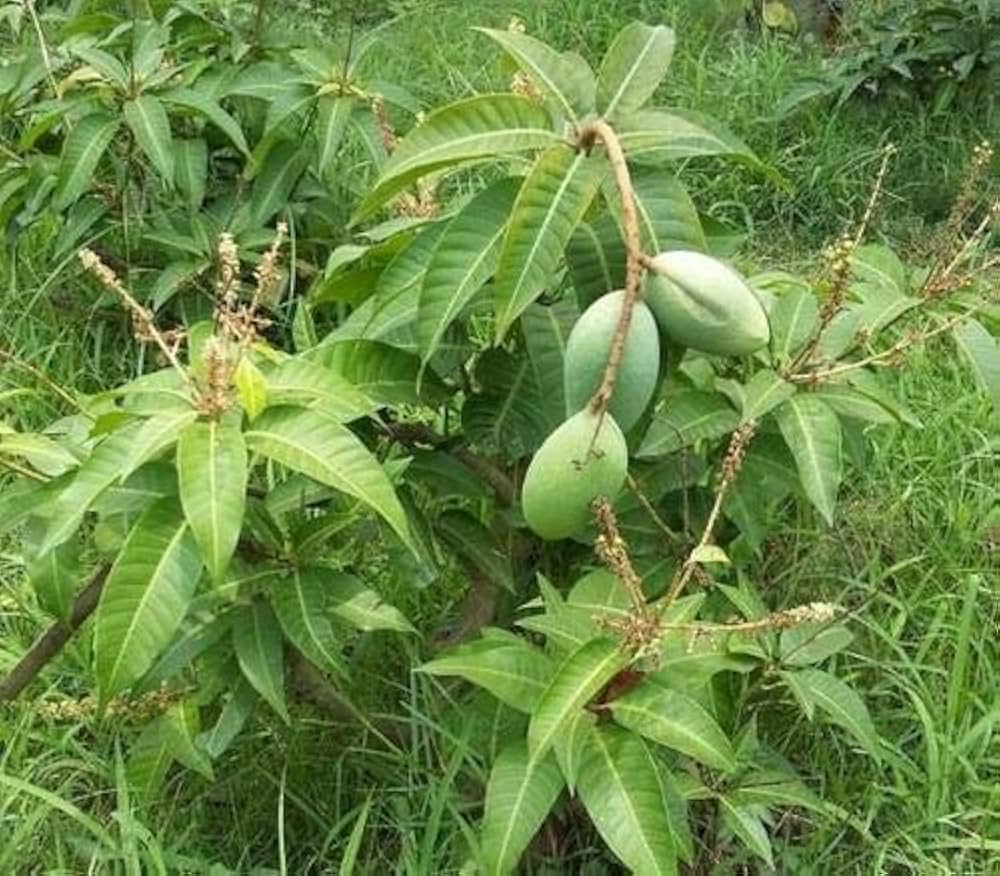
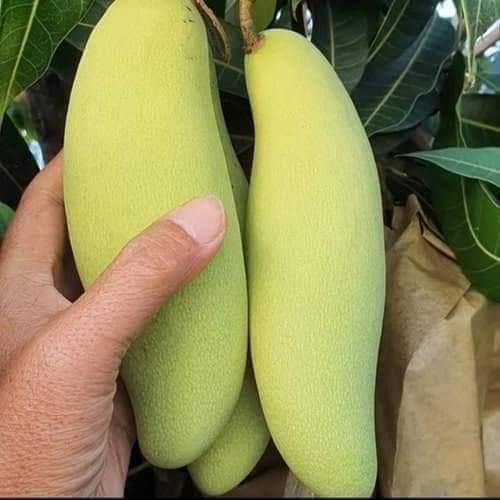
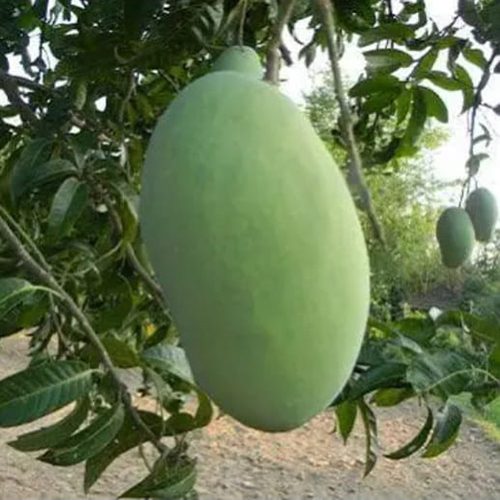
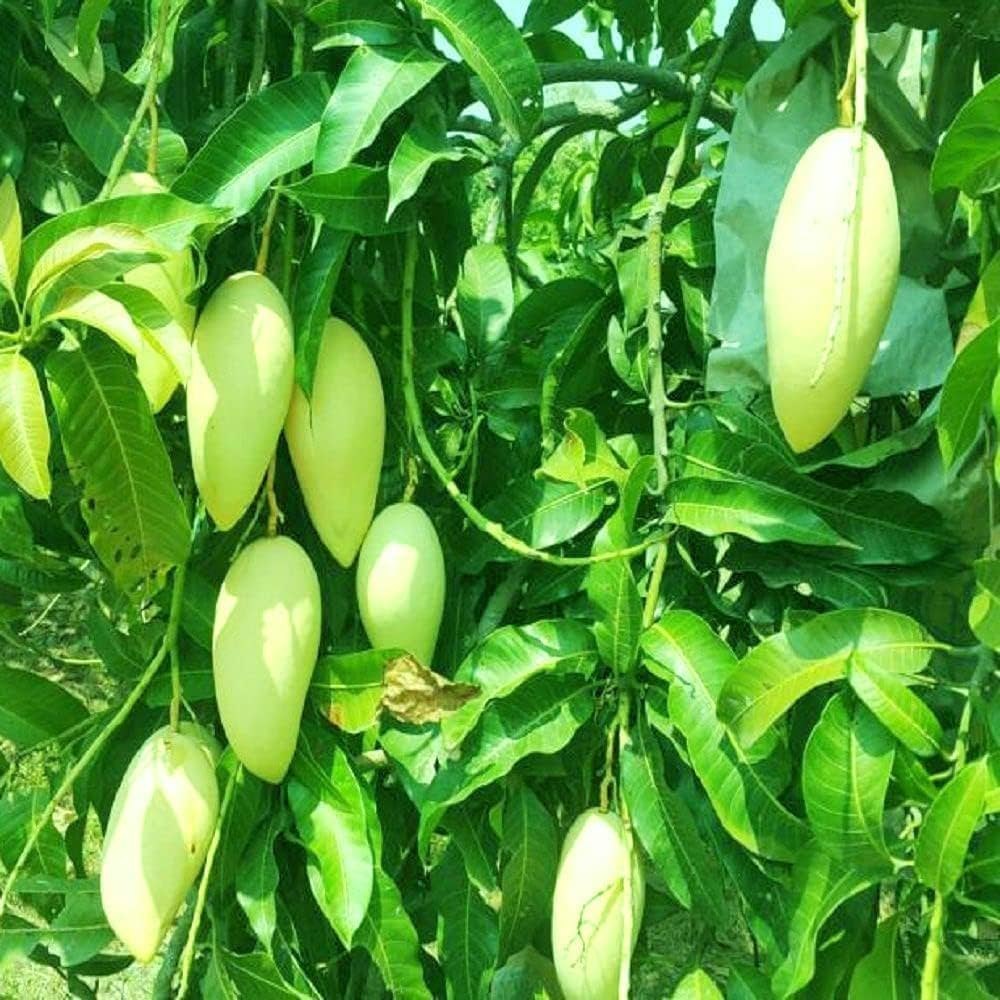
Kumbhkat Lemon (कुम्भकट नींबू) is one of the most drought-tolerant and hardy commercial lemon varieties available for cultivation in central India. Grown widely across Madhya Pradesh, Rajasthan, and Gujarat for its high juice content and thick-ringed aromatic fruit, Kumbhkat Nimbu is the preferred choice for farmers who need a robust citrus tree that performs even in dry, high-temperature conditions. Madhyanchal Nursery supplies NHB 2-Star certified grafted Kumbhkat Lemon plants with a minimum order of 500 plants.
Detail
Information
Botanical Name
Citrus jambhiri (Rough Lemon / Kumbhkat)
Hindi / Local Name
कुम्भकट नींबू (Kumbhkat Nimbu)
Fruiting Season
Two main flushes — March–May and September–November
Why Farmers Choose Kumbhkat Lemon for Commercial Planting
The Kumbhkat variety stands apart from more common lemon types primarily because of its superior hardiness. In MP’s Bundelkhand, Vindhyan, and Malwa regions — where summer temperatures routinely touch 44°C and annual rainfall can fall below 700 mm — Kumbhkat Nimbu survives and produces where other lemon varieties fail. Key agronomic advantages include:
Extreme heat tolerance: Established trees withstand temperatures up to 45°C without significant leaf or fruit drop
Low irrigation demand: Once established (12–18 months), requires significantly less water than Kagzi Lemon — ideal for rain-fed or limited irrigation farms
High juice content: Fruit juice content of 42–50%, suitable for the lemon juice processing and pickle industry
Strong root system: Also widely used as rootstock for grafting other citrus varieties, confirming its exceptional soil adaptation
Grafted stock from NHB nursery: Our plants fruit in 18–24 months — far faster than seedling-raised trees which take 4–5 years
For comparison with other commercial lemon varieties, see our Kagzi Lemon (Kagzi Nimbu) product page — the baramasi (year-round fruiting) alternative that suits irrigated, higher-intensity farming systems. Farmers who want a less water-intensive option typically prefer Kumbhkat; those with drip irrigation and a reliable water source often choose the Balaji Lemon Plant for its higher annual yield.
Growing Kumbhkat Lemon in Madhya Pradesh — Climate & Soil
Madhya Pradesh’s climate is well-matched for Kumbhkat cultivation. The semi-arid plateau regions (Indore, Ujjain, Sehore, Guna, Shivpuri) with black cotton soil and red laterite soil both support good citrus growth. Recommended soil pH: 5.5–7.5. Avoid low-lying waterlogged areas — citrus roots are highly sensitive to standing water. Raised-bed planting on flat land improves drainage significantly and reduces root rot risk during the monsoon season.
Post-planting care for the first year focuses on weed control, light watering every 4–6 days, and a starter dose of vermicompost. Read our guide on using vermicompost for fruit plants for optimal establishment results.
Frequently Asked Questions — Kumbhkat Lemon Plant
क्या Kumbhkat Lemon (कुम्भकट नींबू) बारहमासी है?
Kumbhkat Nimbu एक बारहमासी किस्म नहीं है — इसमें मुख्यतः दो फसल ऋतुएँ होती हैं: मार्च–मई और सितंबर–नवंबर। अगर आप पूरे साल फल चाहते हैं (baramasi / barhamasi fruiting), तो हमारी Kagzi Lemon (काग़ज़ी नींबू) किस्म देखें, जो एक सच्ची बारहमासी वैरायटी है। Kumbhkat की खासियत है इसकी कठोरता और कम पानी में जीवित रहने की क्षमता, जो इसे Bundelkhand और सूखे क्षेत्रों के किसानों के लिए पहली पसंद बनाती है।
What is the minimum order for Kumbhkat Lemon plants from Madhyanchal Nursery?
The minimum order quantity (MOQ) is 500 plants. Madhyanchal Nursery is a commercial B2B nursery — we supply bulk orders to farmers, not individual plants to home gardeners. Five hundred Kumbhkat Lemon plants planted at standard 5m × 5m spacing covers approximately 3 acres. For orders above 1,000 plants, volume pricing is available. Call or WhatsApp +91-9753884743 to discuss your order size and get a current price quote.
How long does a grafted Kumbhkat Lemon plant take to bear fruit?
Grafted Kumbhkat Lemon plants from our NHB 2-Star certified nursery typically begin their first fruiting flush within 18–24 months of planting. This compares favourably to seedling-raised plants, which take 4–5 years to fruit reliably. By the third year, grafted trees enter commercial production and can yield 5–9 tonnes per acre at full maturity, depending on irrigation, soil fertility, and orchard management practices.
क्या Kumbhkat Lemon MP और Rajasthan की जलवायु के लिए उपयुक्त है?
हाँ, Kumbhkat Nimbu मध्य प्रदेश और राजस्थान की अर्ध-शुष्क जलवायु के लिए बहुत उपयुक्त है। यह 45°C तक की गर्मी और सीमित वर्षा (700 mm से कम) में भी अच्छी उपज देता है। काली मिट्टी और लाल लेटराइट — दोनों प्रकार की मिट्टी में यह अच्छा उगता है, बशर्ते जलनिकासी ठीक हो। Bundelkhand, Vindhyan Plateau और Malwa क्षेत्र के किसानों के लिए यह एक भरोसेमंद व्यावसायिक फसल है।
What is the difference between Kumbhkat Lemon and Kagzi Lemon (Kagzi Nimbu)?
Kumbhkat Lemon (कुम्भकट नींबू) and Kagzi Lemon (काग़ज़ी नींबू) serve different farming needs. Kumbhkat is drought-tolerant, hardy, and suited to rain-fed farms in MP, Rajasthan, and Gujarat — it produces in two seasonal flushes and is favoured in arid zo
Fruit & Vegetable Plants We Offer हमारे उपलब्ध फल व सब्ज़ी पौधे