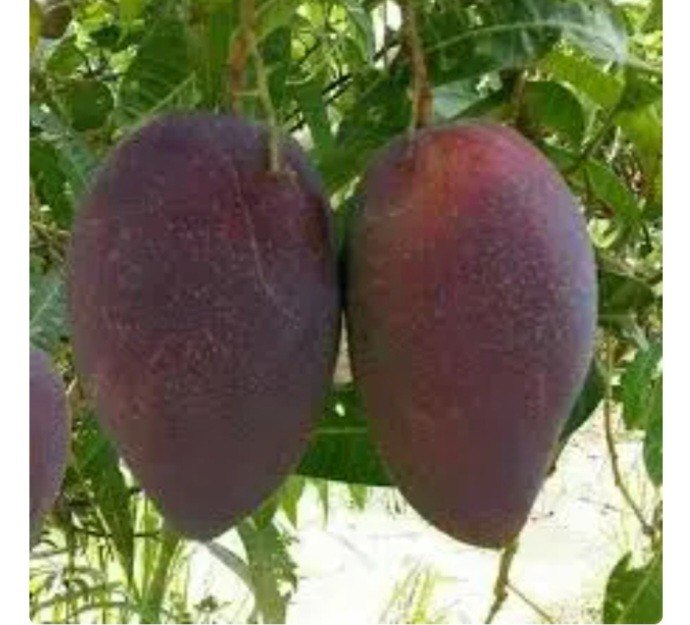
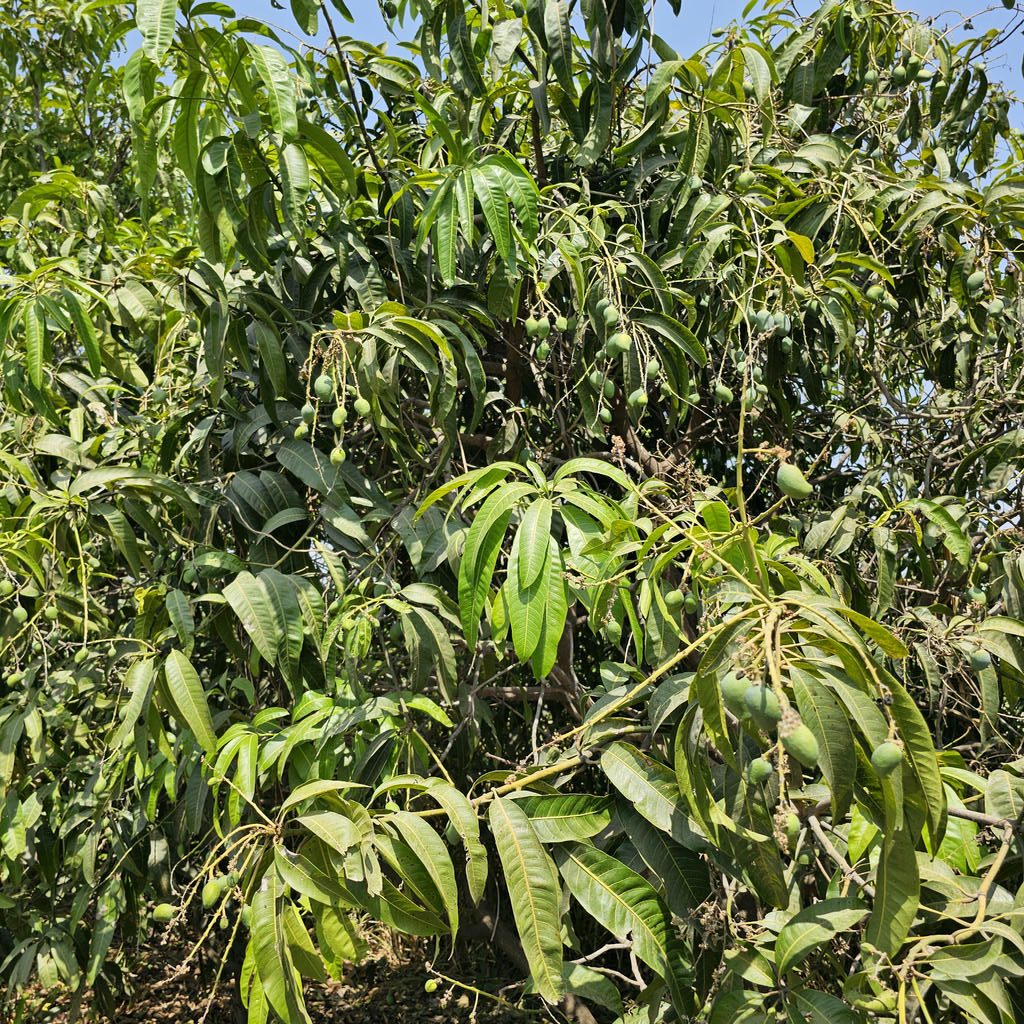
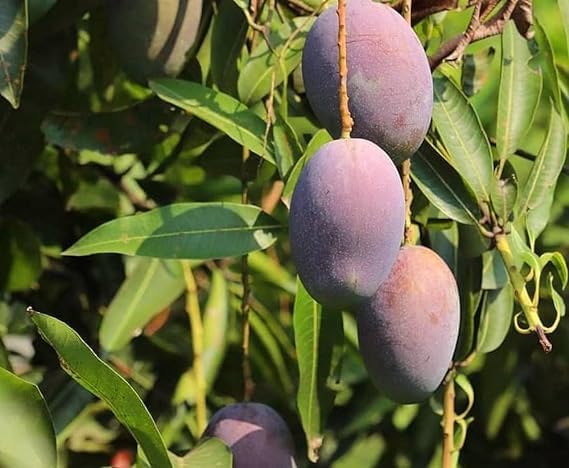
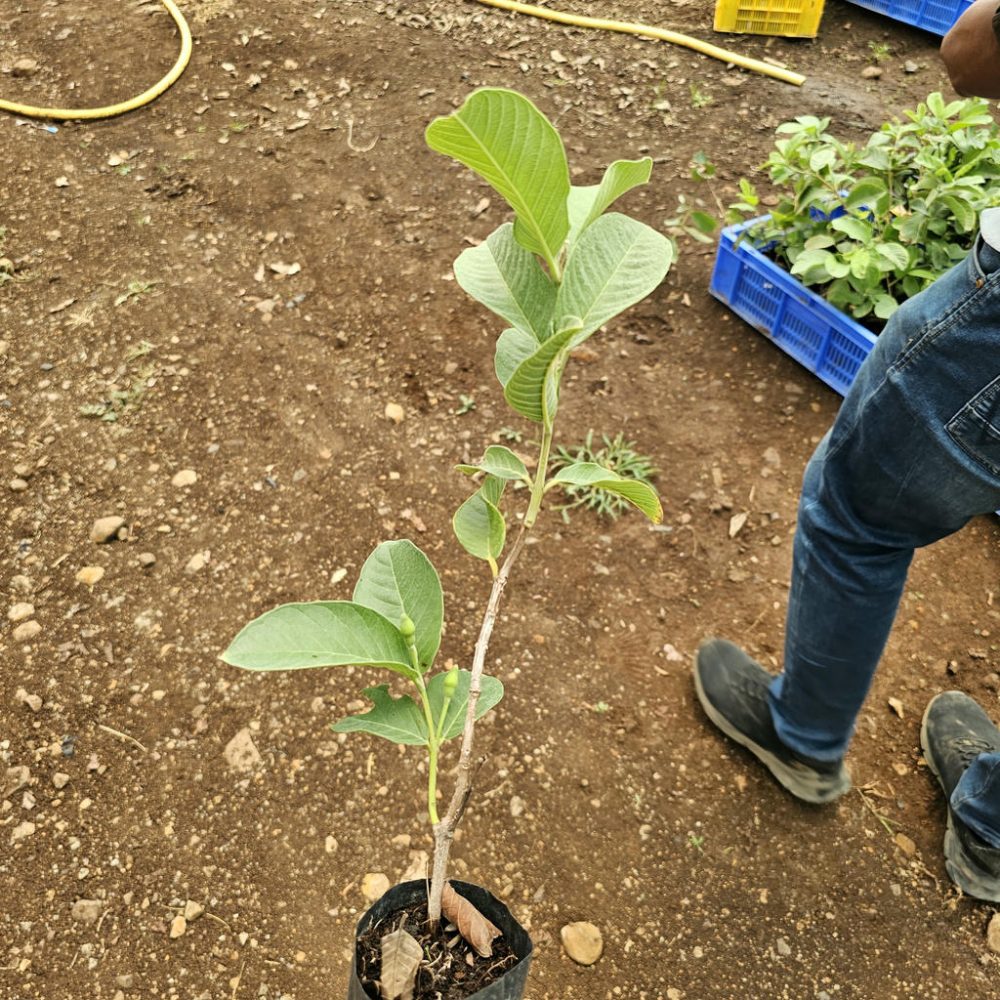
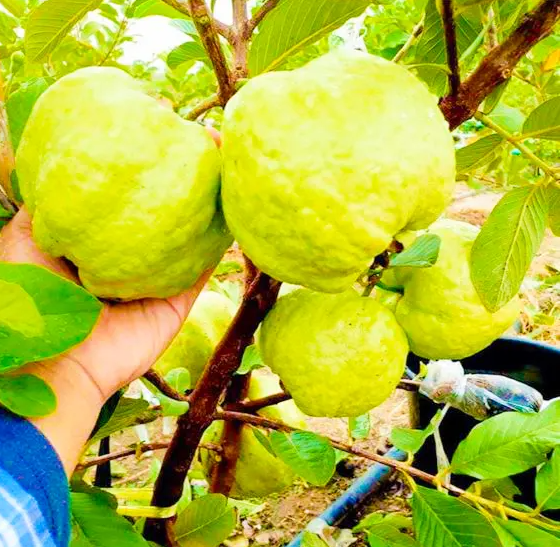
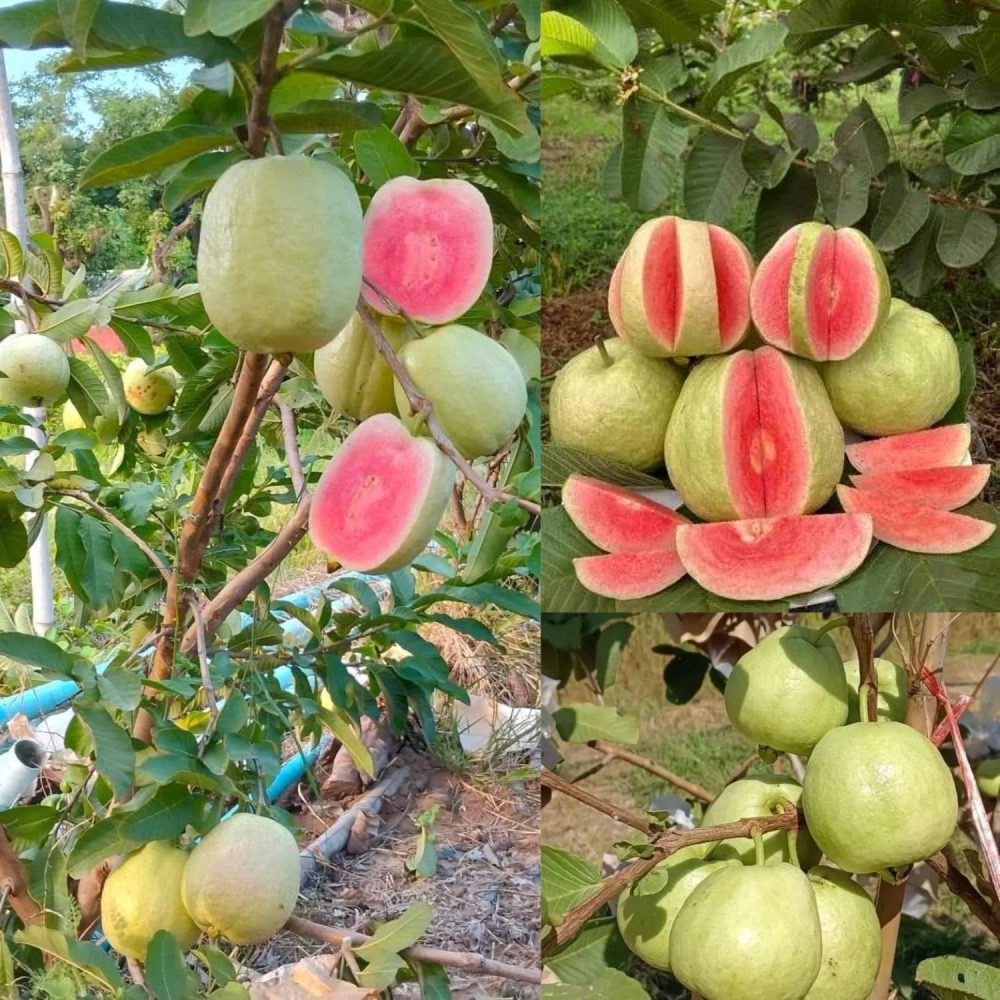
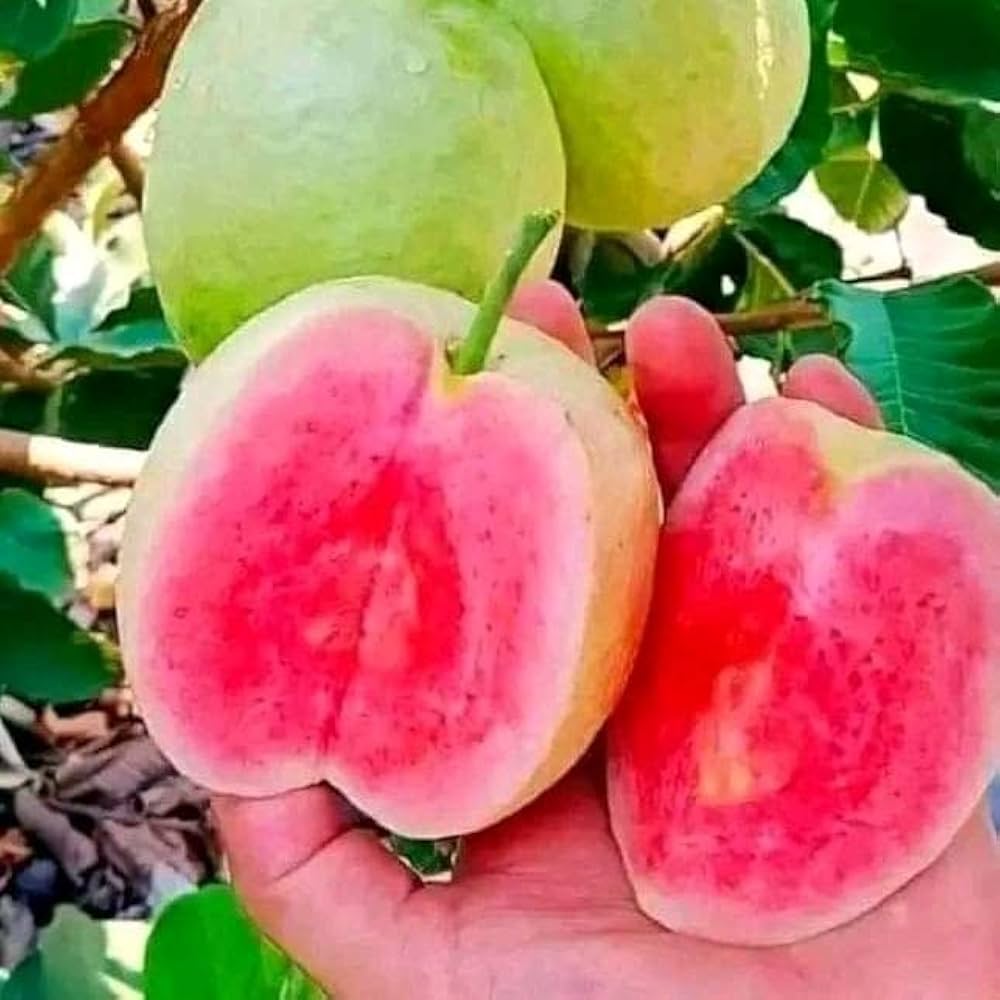
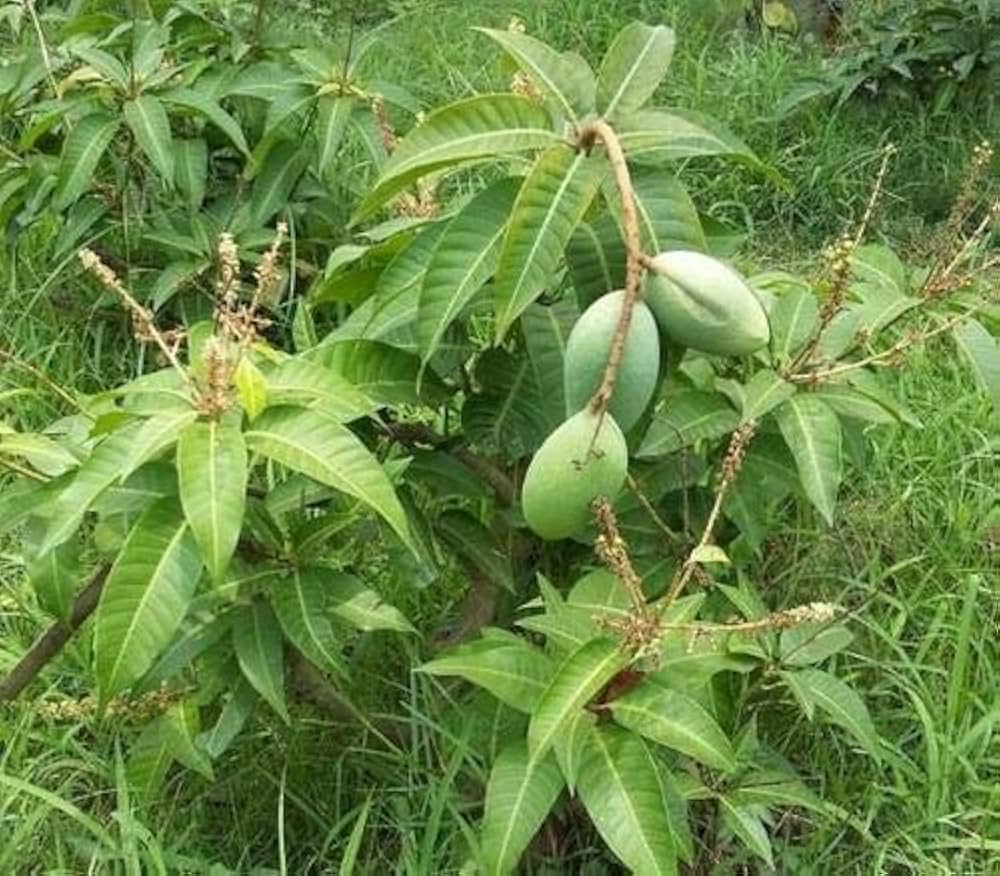
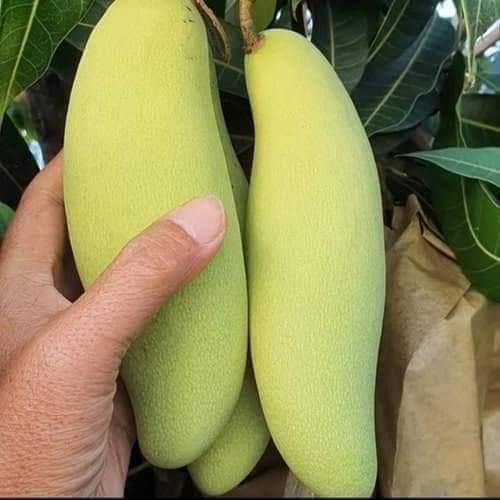
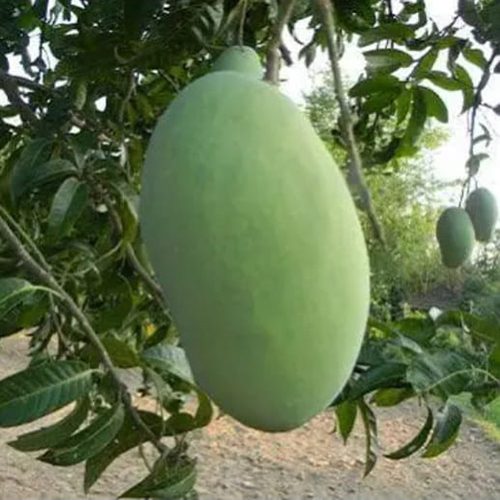
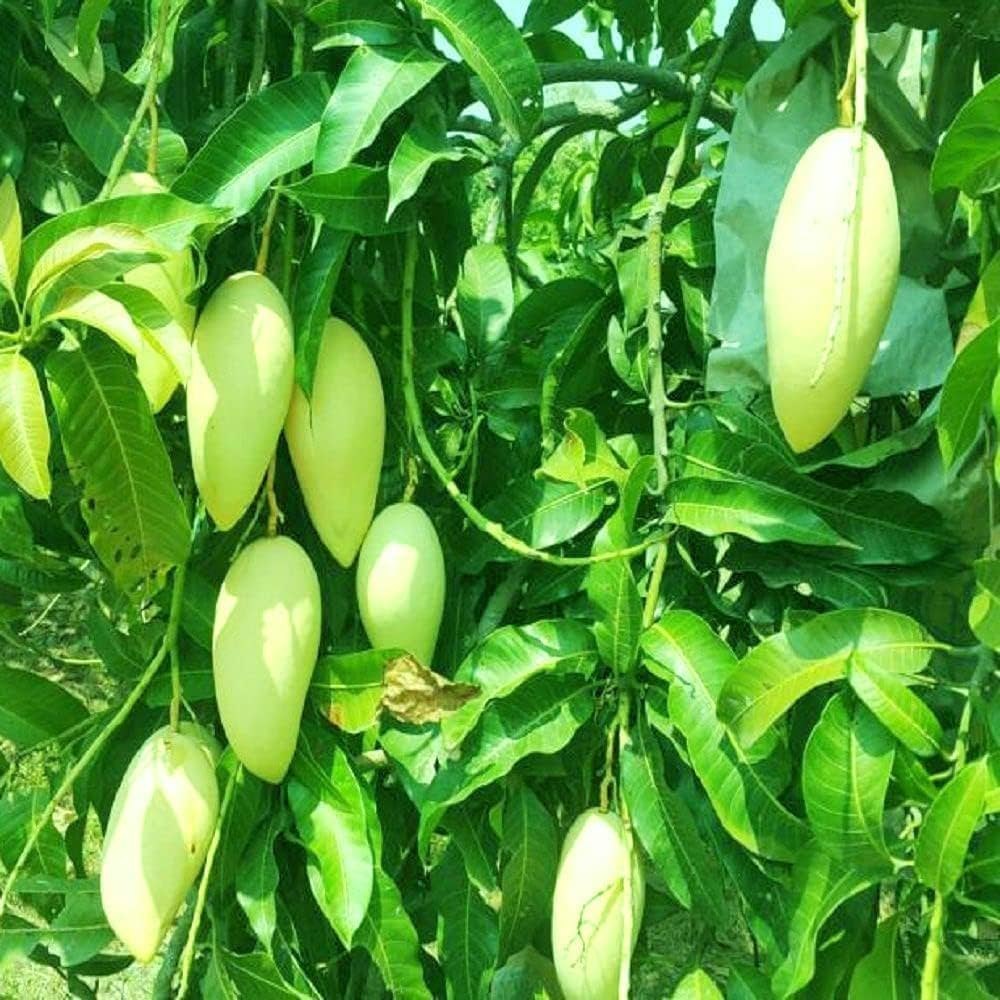
The King of Chokapat mango plant (चोकपाट राजा आम / Chokapat Raja Aam) is one of India’s most celebrated heritage mango varieties — originating from the legendary mango belt of Uttar Pradesh. Prized for its large, oblique fruit, intensely sweet pulp, and distinctive floral aroma, King of Chokapat is a connoisseur’s variety that commands strong premium pricing in wholesale and institutional markets. At Madhyanchal Nursery, we supply NHB 2-Star certified grafted King of Chokapat mango saplings for commercial orchard planting, with a minimum order of 500 plants.
King of Chokapat Mango — Quick Facts
Property
Details
Botanical Name
Mangifera indica (Chokapat cultivar)
Hindi Name
चोकपाट राजा आम (Chokapat Raja Aam)
Origin
Uttar Pradesh (traditional heritage variety)
Sapling Type
Grafted (vegetatively propagated for true-to-type fruit)
Fruiting Season
July – August (late season)
Fruit Character
Large size, sweet aromatic pulp, low fibre, floral fragrance
Climate Suitability
MP, UP, Rajasthan, Haryana — semi-arid to sub-tropical
Why King of Chokapat Mango is Worth Growing Commercially
King of Chokapat (चोकपाट राजा आम) earns its regal name through a combination of traits that set it apart from standard commercial varieties. The fruit is notably large — individual mangoes often weigh 350–500 grams — with a thin golden-yellow skin that turns deep saffron at peak ripeness. The flesh is fibre-free, intensely sweet, and carries a rich floral perfume that distinguishes it from mass-market varieties like Totapuri or Langda.
For commercial farmers in Madhya Pradesh, this is a late-season variety — ripening in July–August after most mainstream varieties have left the market. This timing advantage means Chokapat Raja Aam arrives when mango supply is declining and wholesale prices are strengthening, giving orchard growers a meaningful pricing edge over early-season cultivars.
The variety performs reliably in MP’s hot, dry summers and deep red or alluvial soils. Trees are known for moderate vigour — they are manageable in high-density plantation systems and respond well to training and pruning, making them suited to modern commercial orchard management.
Planting a mix that includes King of Chokapat alongside early-season varieties such as Amrapali or Ambika creates a staggered harvest calendar from May through August — improving cash flow, reducing post-harvest pressure, and maximising use of orchard infrastructure across the full season.
Planting and Cultivation Guide for Chokapat Raja Aam
Best planting time: July–August at monsoon onset, or February–March before the summer dry spell. Avoid transplanting during peak summer (May–June) when soil temperatures exceed 40°C and establishment mortality is high.
Soil requirements: King of Chokapat adapts well to MP’s well-drained red soils and alluvial river-basin soils. Soil pH should be between 6.0 and 7.5. Waterlogged or heavy clay soils must be avoided — mango roots are prone to root rot under standing water.
Plants per acre:
Standard spacing (10m × 10m): approximately 100 plants per acre, suitable for rain-fed or drip-irrigated orchards with inter-cropping in the early years.
High-density spacing (6m × 6m): approximately 275 plants per acre, reaching commercial yield faster. Requires canopy management from year 6 onwards.
Irrigation: Drip irrigation is strongly recommended for commercial plantations. Critical water windows are February–March (flowering) and April–June (fruit development). Withhold irrigation in October–November to promote synchronised, uniform flowering in the next season.
Fertilisation: Apply farm yard manure at planting pit preparation. From year 2, add balanced NPK at orchard-standard rates per tree per year, split across pre-monsoon and post-harvest applications. Micro-nutrient spray containing zinc and boron at the panicle emergence stage improves fruit set and size significantly for this variety.
Why Buy King of Chokapat Mango Plants from Madhyanchal Nursery
Madhyanchal Nursery is one of Madhya Pradesh’s NHB 2-Star certified grafted fruit plant nurseries, supplying commercial farmers across Central India since 2014. Every King of Chokapat sapling we ship is:
Grafted from verified mother trees selected for fruit quality, size, and yield consistency — not grown from seed
Raised in our certified nursery in Ujjain, MP — fully acclimatised to Central Indian growing conditions
Ready to plant on arrival — 2 to 3 feet height with a healthy, established root system
Available for bulk supply of 500 plants and above with uniform size and quality across the batch
Frequently Asked Questions — King of Chokapat Mango Plant
How many years does a King of Chokapat mango tree take to give fruit?
A grafted King of Chokapat mango sapling typically produces its first fruit 3 to 4 years after planting. Because it is a grafted plant — not a seedling — it carries the full genetic traits of the mother tree and begins bearing earlier. By year 5 to 6, the tree reaches meaningful commercial yield. Seedling-grown trees can take 8 to 10 years to fruit, which is why we supply only grafted saplings for commercial orders.
What is the minimum order for King of Chokapat mango plants?
Our minimum order quantity is 500 plants. Madhyanchal Nursery is a B2B bulk supplier serving commercial orchard growers and farming enterprises across India. We do not supply single plants or small hobby quantities. For orders of 500 plants or more, call or WhatsApp us at +91-9753884743 to discuss availability, pricing, and delivery scheduling to your location.
Is King of Chokapat mango suitable for Madhya Pradesh’s climate?
Yes. King of Chokapat mango is well-suited to Madhya Pradesh’s semi-arid climate. The variety thrives in the hot summers and moderate rainfall conditions typical of MP’s Malwa and Vindhya regions. It performs best on well-drained soils at moderate elevation and tolerates the dry spell between November and June, which is standard across the state. Farmers in Ujjain, Indore, Dewas, and Ratlam districts grow this variety successfully alongside Dussehri and Chausa.
How many King of Chokapat mango plants fit in one acre?
At standard 10m × 10m spacing, approximately 100 plants fit in one acre — the traditional approach for rain-fed orchards with room for inter-cropping. In a high-density system at 6m × 6m spacing, around 275 plants fit per acre, generating earlier returns but requiring ongoing canopy pruning from year 6 onwards. For bulk orders covering an acre or more, contact us at +91-9753884743 and we will size the order and arrange delivery scheduling for you.
Order King of Chokapat Mango Plants in Bulk
Ready to add this premium late-season variety to your commercial orchard? Contact Madhyanchal Nursery — an NHB 2-Star certified nursery in Madhya Pradesh — for bulk grafted King of Chokapat mango saplings.
Minimum order: 500 plants. Pan-India delivery available.
📞 Call or WhatsApp: +91-9753884743 to confirm availability, pricing, and delivery timeline.
Fruit & Vegetable Plants We Offer हमारे उपलब्ध फल व सब्ज़ी पौधे